The Eagles’ wreck (Switzerland, 2025 – 2026)
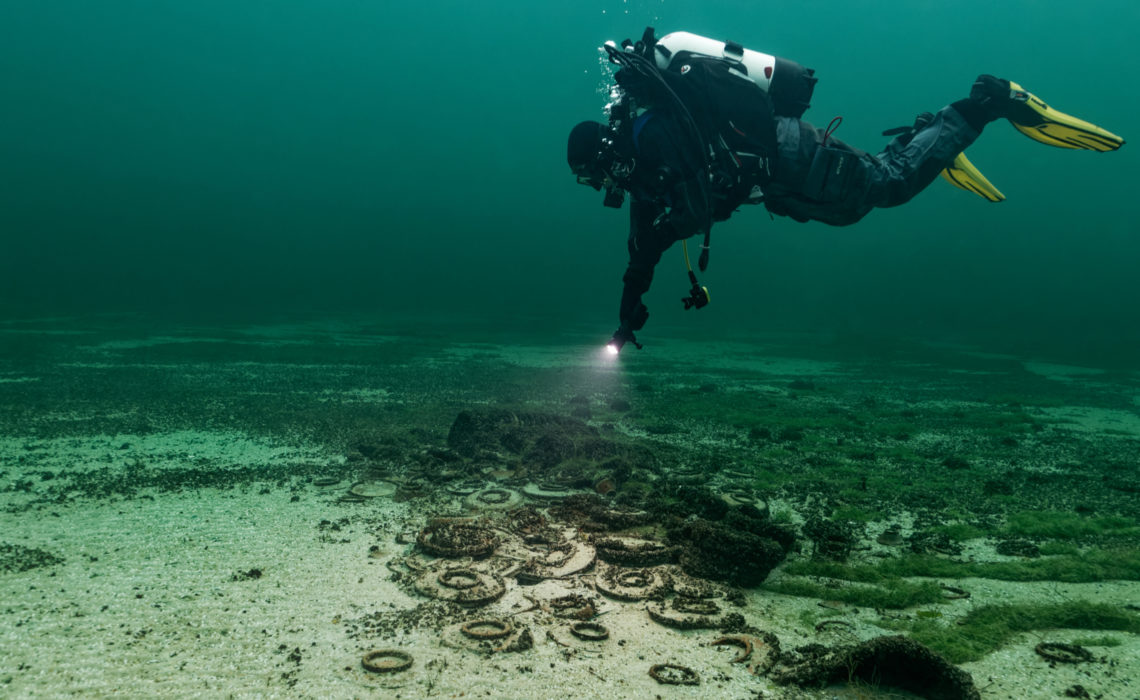
In November 2024, an exceptional shipwreck was discovered at the bottom of Lake Neuchâtel. It contained a miraculously preserved cachet of pottery, weapons, tools, and harness parts related to horse-drawn transport. Dating from the early Roman Empire, could this cargo be linked to the Roman legions’ deployment along the Rhine, facing the perilous Germania?
As part of the “Vulnerable wrecks of Lake Neuchâtel” project initiated in 2018, the last one was discovered by drone on November 21, 2024 by Fabien Droz, external collaborator of the Department of Archaeology of the Canton of Neuchâtel (OARC).
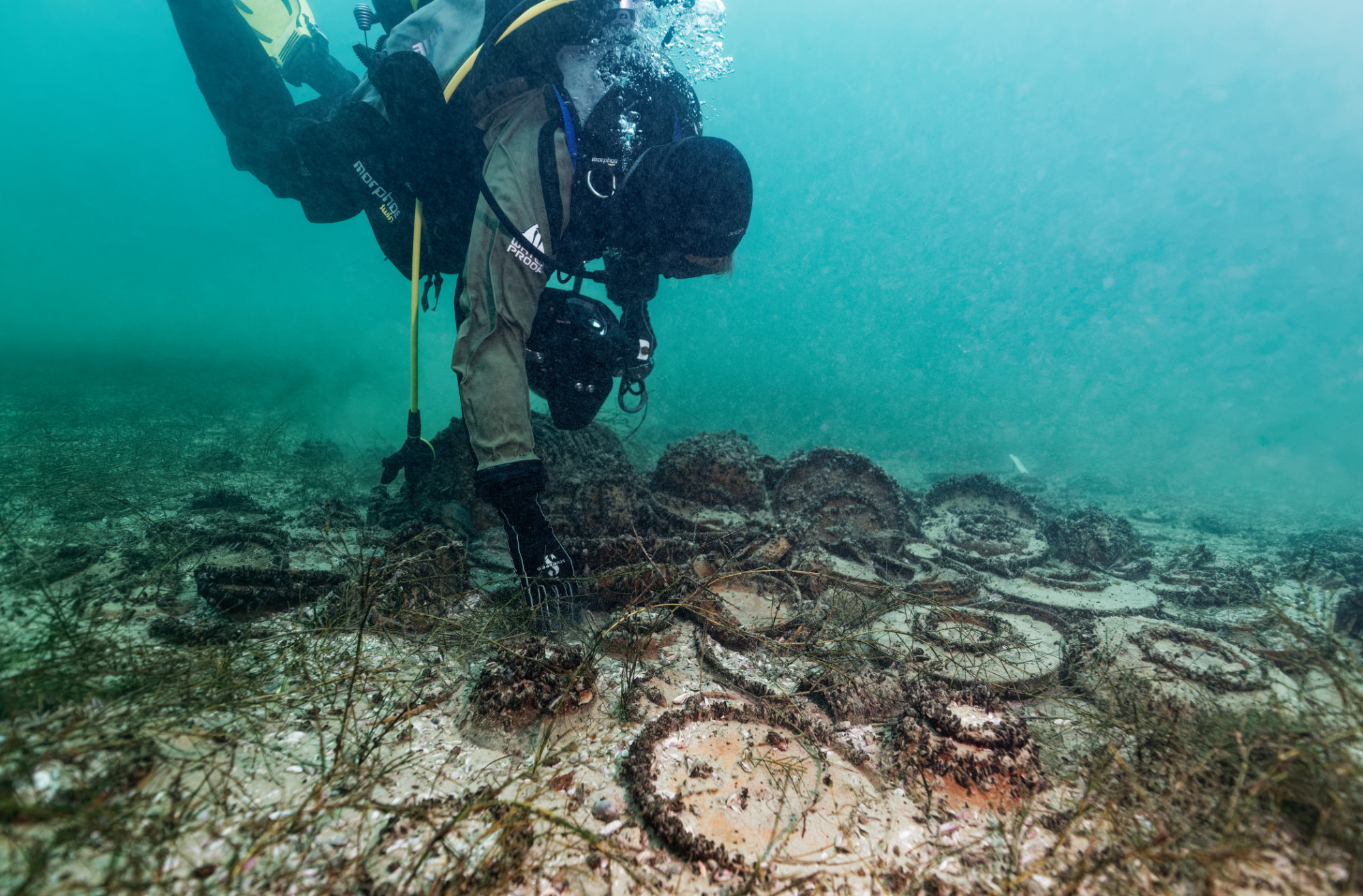
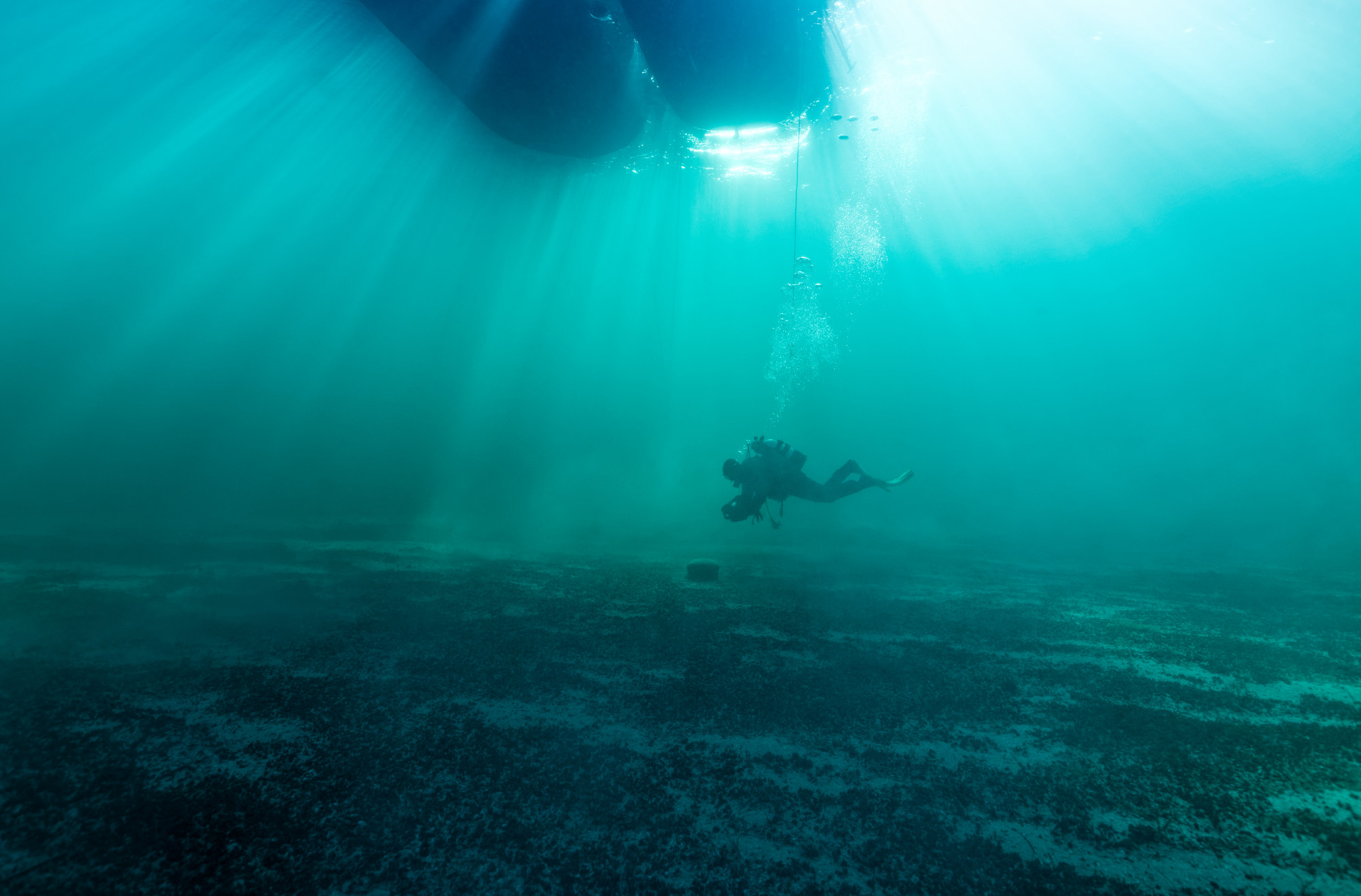
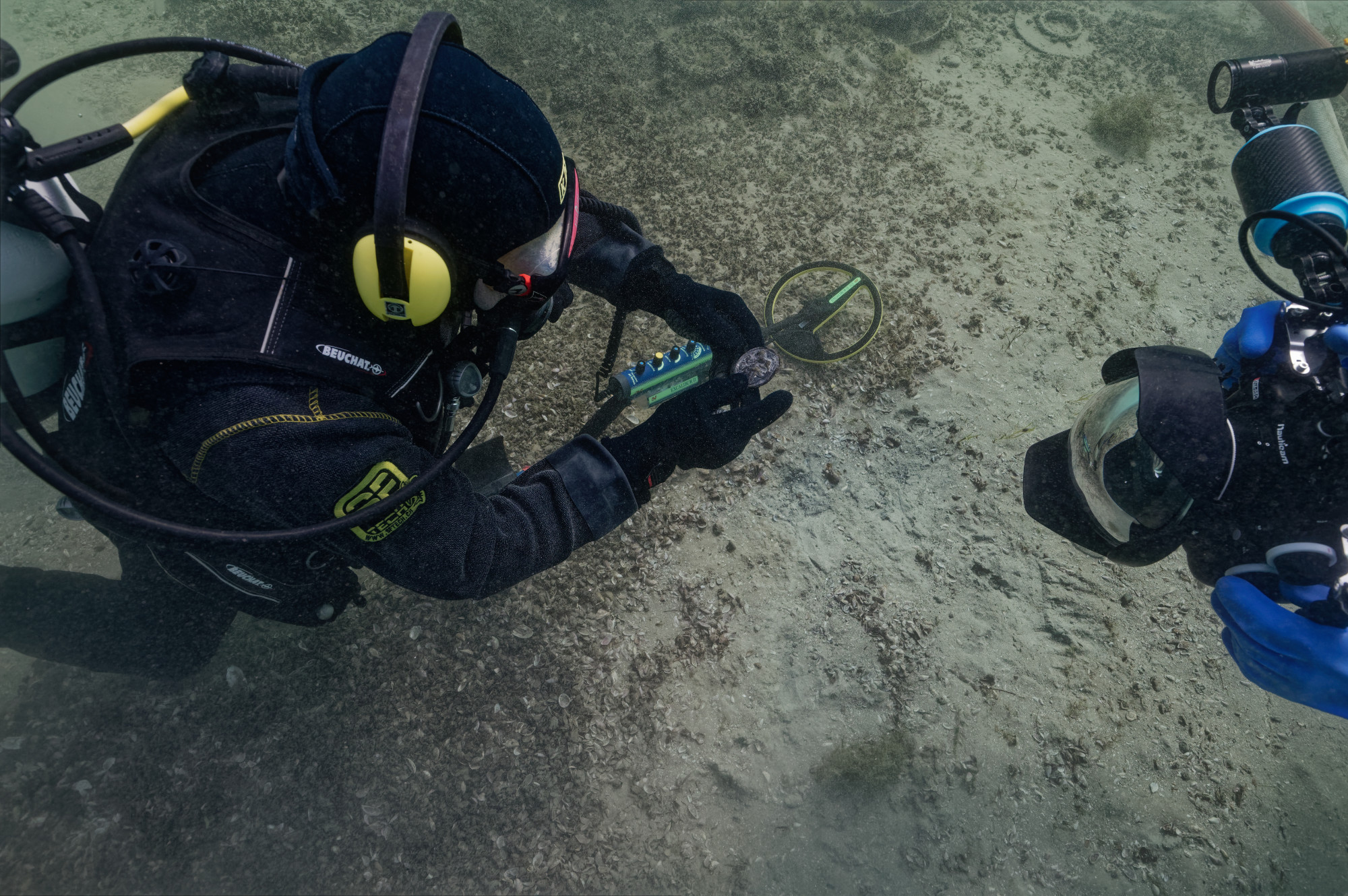
The first underwater confirmation and evaluation was carried out on November 24, 2024, by the archaeologist in charge of the lake territory of the canton of Neuchâtel, Fabien Langenegger, and Julien Pfyffer, president of the Octopus Foundation.
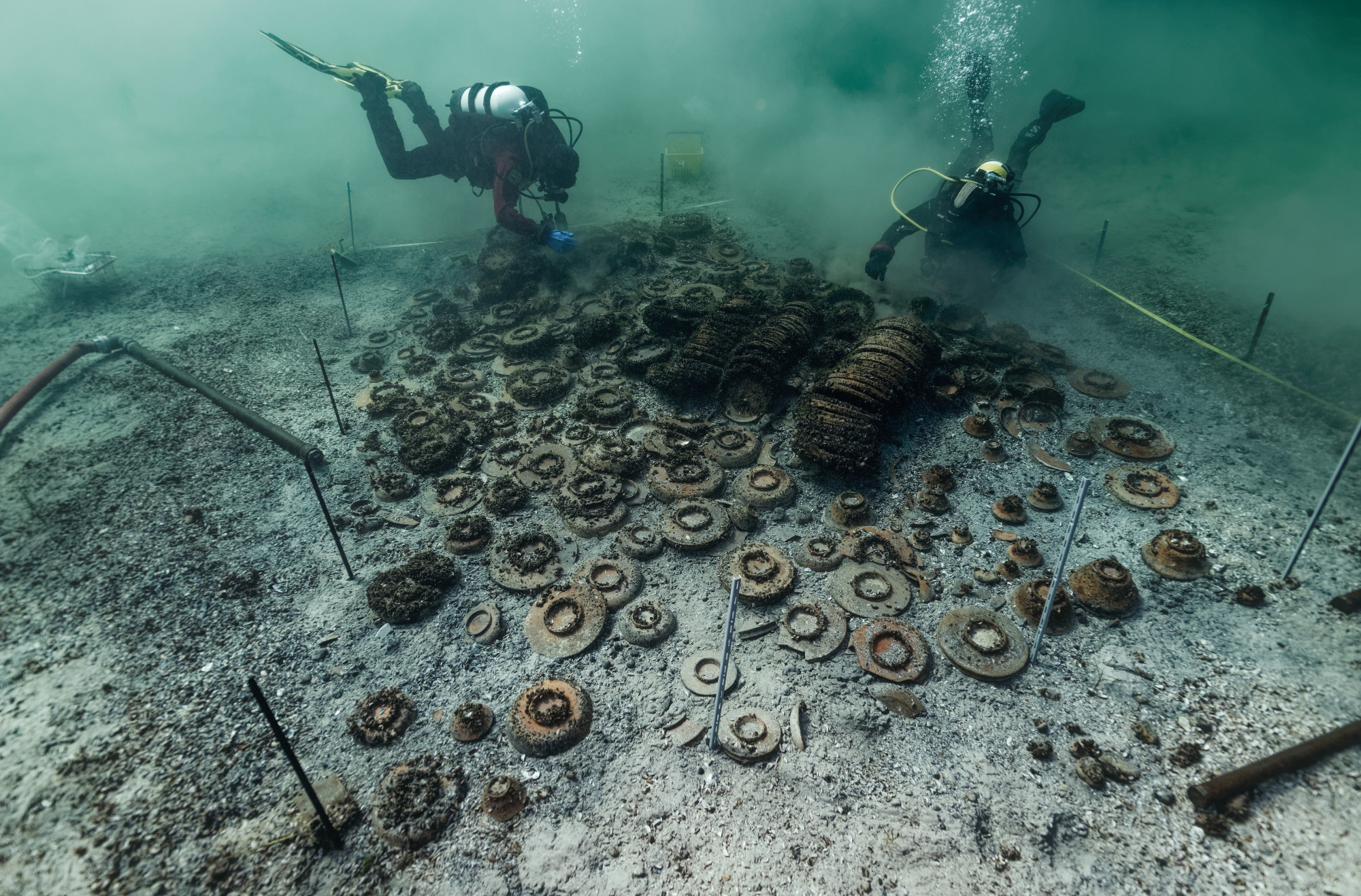
During this extraordinary dive, we determined that it was a vast cargo of ancient ceramics. Several pieces were collected for rapid analysis by specialists. In addition, a wood sample from the cargo was extracted for carbon-14 dating. The results of this analysis established a timeframe between 50 BC and 50 AD. This initial finding places the cargo in the period between the end of the Roman Republic and the beginning of the Roman Empire.
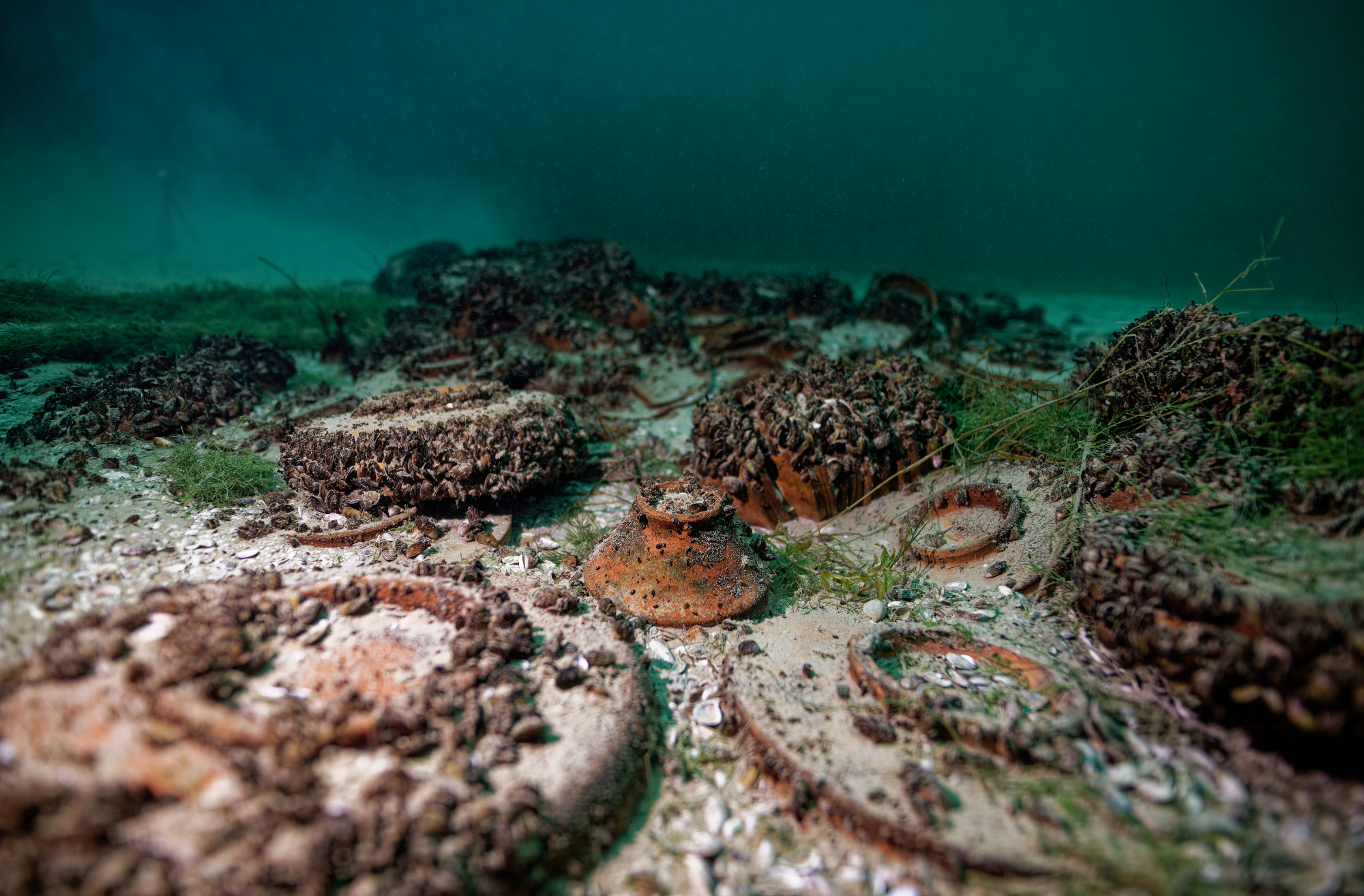
Due to the diversity of the objects and their exceptional state of preservation, this cargo represents a rare snapshot of antiquity, likely buried under sediment for several hundred years. However, following two Jura water correction projects (in the 19th and 20th centuries) undertaken to stabilize the lake levels, the layer of sediment covering these remains has eroded. These artifacts, of inestimable historical value, are now exposed to the lake’s currents and potential looters. It was therefore decided to quickly conduct excavations to secure and stabilize these pieces, making them accessible to the public.
Location

Since 2018, the Octopus Foundation has been closely collaborating with archaeologists of the canton of Neuchâtel. As part of the “Vulnerable wrecks” program, we were able to support scientists by fully excavating three shipwrecks and partially excavating two lake villages (from the Neolithic and Bronze Age periods).
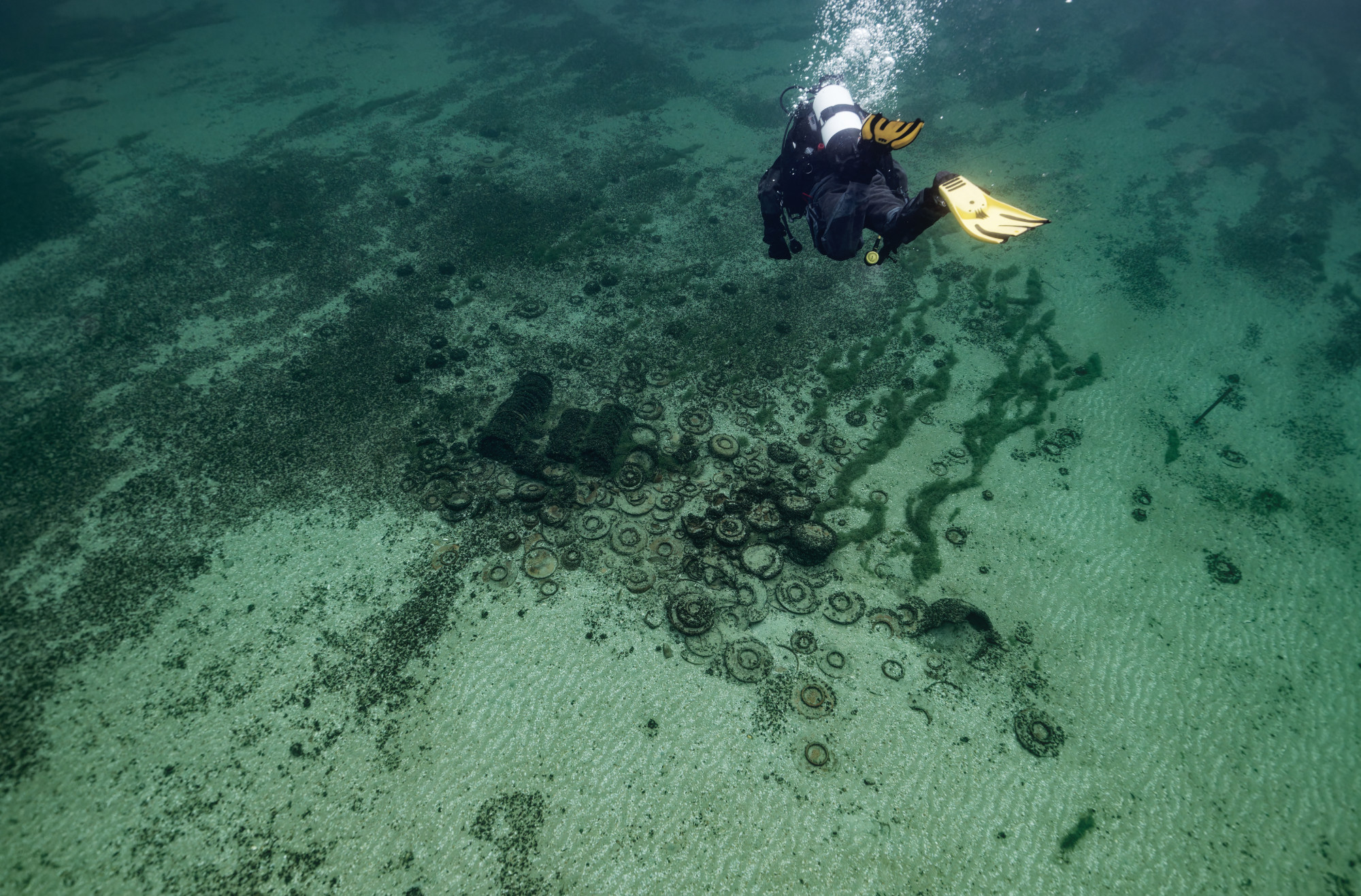
Today, the discovery of this new shipwreck presents an exciting new technical challenge for archaeologists and conservators in the canton of Neuchâtel. Not only is it not a “shipwreck” in the conventional sense, since the vessel has not yet been found, but this cargo represents an extremely rare snapshot of the early Roman Empire. All the objects that sank have been preserved in time. Moreover, it is a brand-new cargo, most likely recently produced by a potter and intended for sale. Given the large quantity and diversity of the artifacts for such a specific period, this cargo will very likely serve as a reference in the archaeological community and significantly advance our understanding of transported goods and river trade during this era.
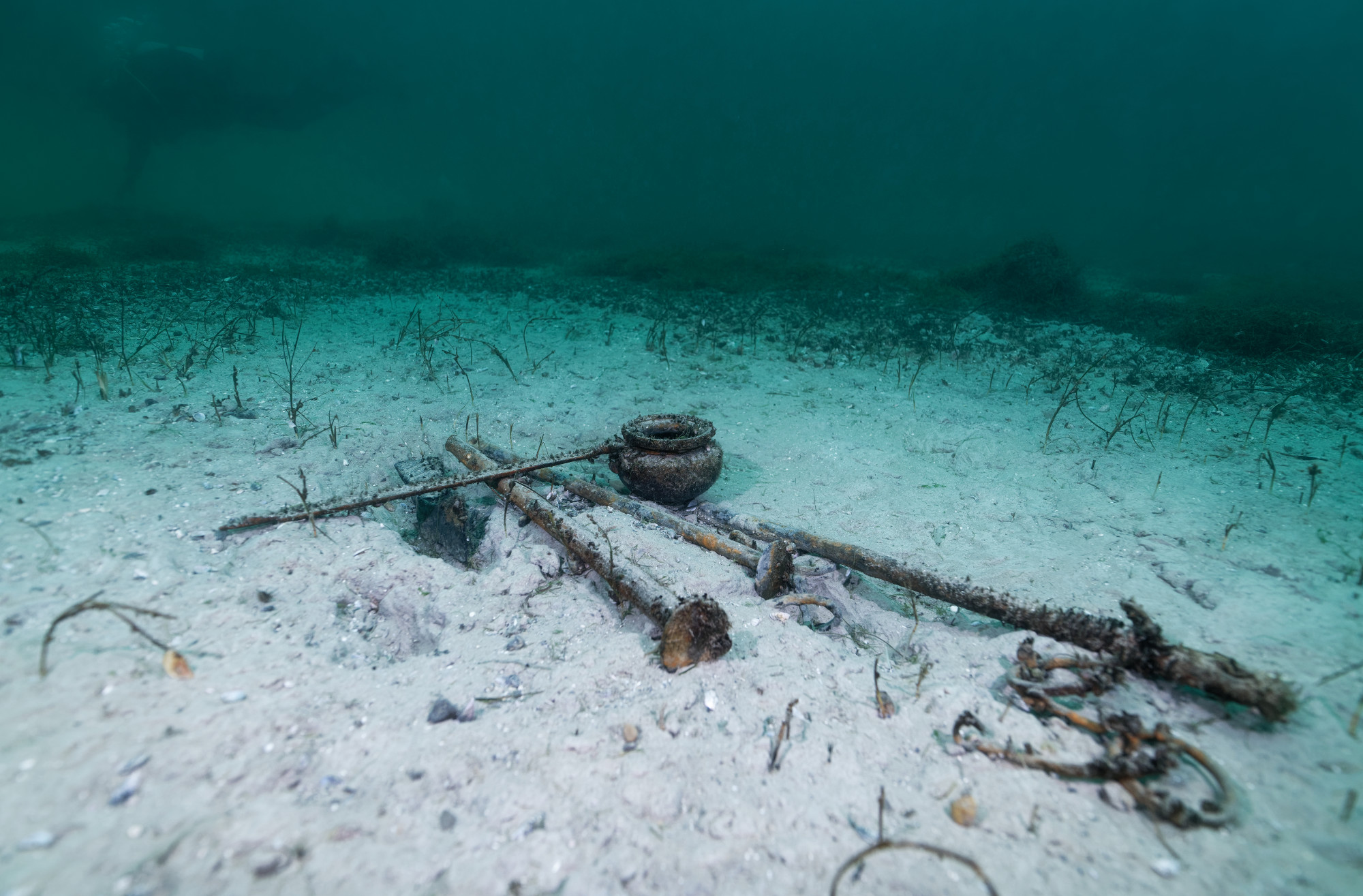
For hundreds of years, these remains were protected by layers of sediment of varying thickness. Unfortunately, when the lake levels were controlled during the two “Jura water corrections” of the 19th and 20th centuries, these vast, seemingly still bodies of water reshaped their beds, like a diverted river. The sediments from the coastal plateaus then began to break down and be carried into the depths of the lake.
The Octopus Foundation team is particularly proud to be part of this extraordinary adventure. Not only will its team of specialized technicians be putting their skills at the service of the archaeologists for the underwater excavations, but we are also preparing a book and producing a video documentary to tell the public about what we have had the immense privilege of experiencing.
Location
Field mission march 2025
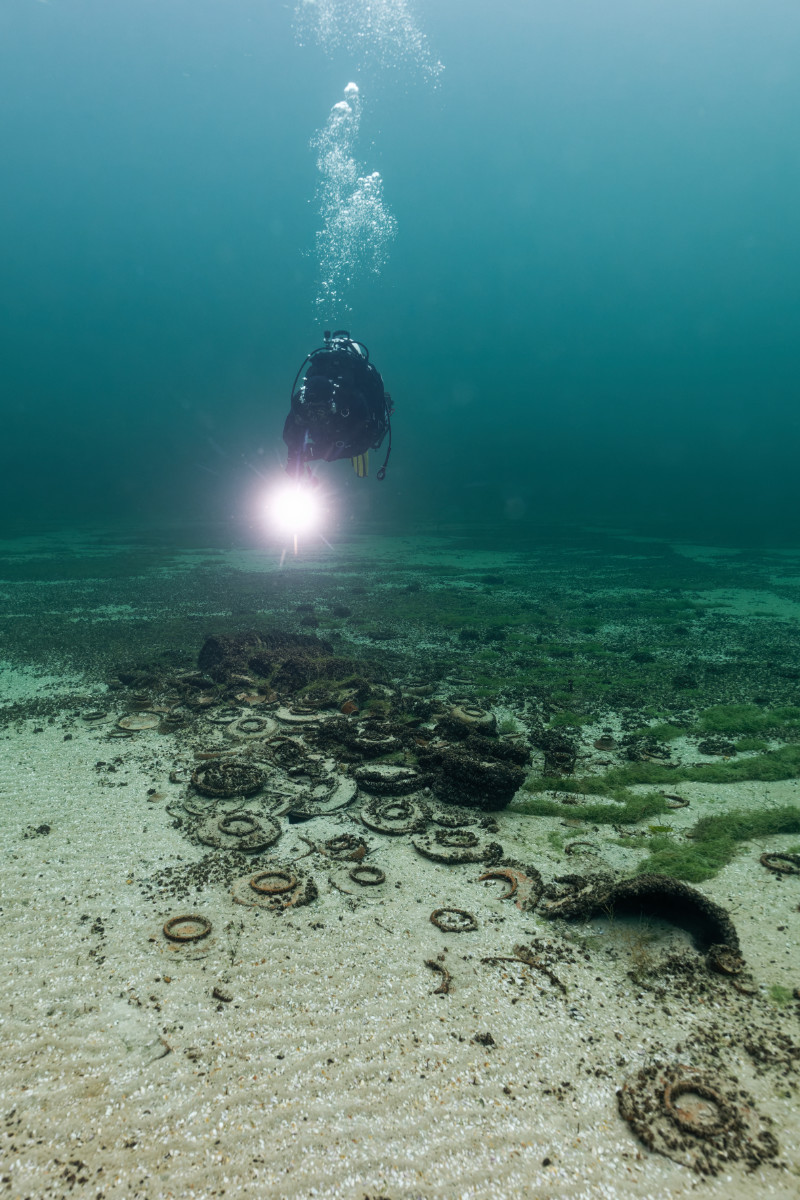
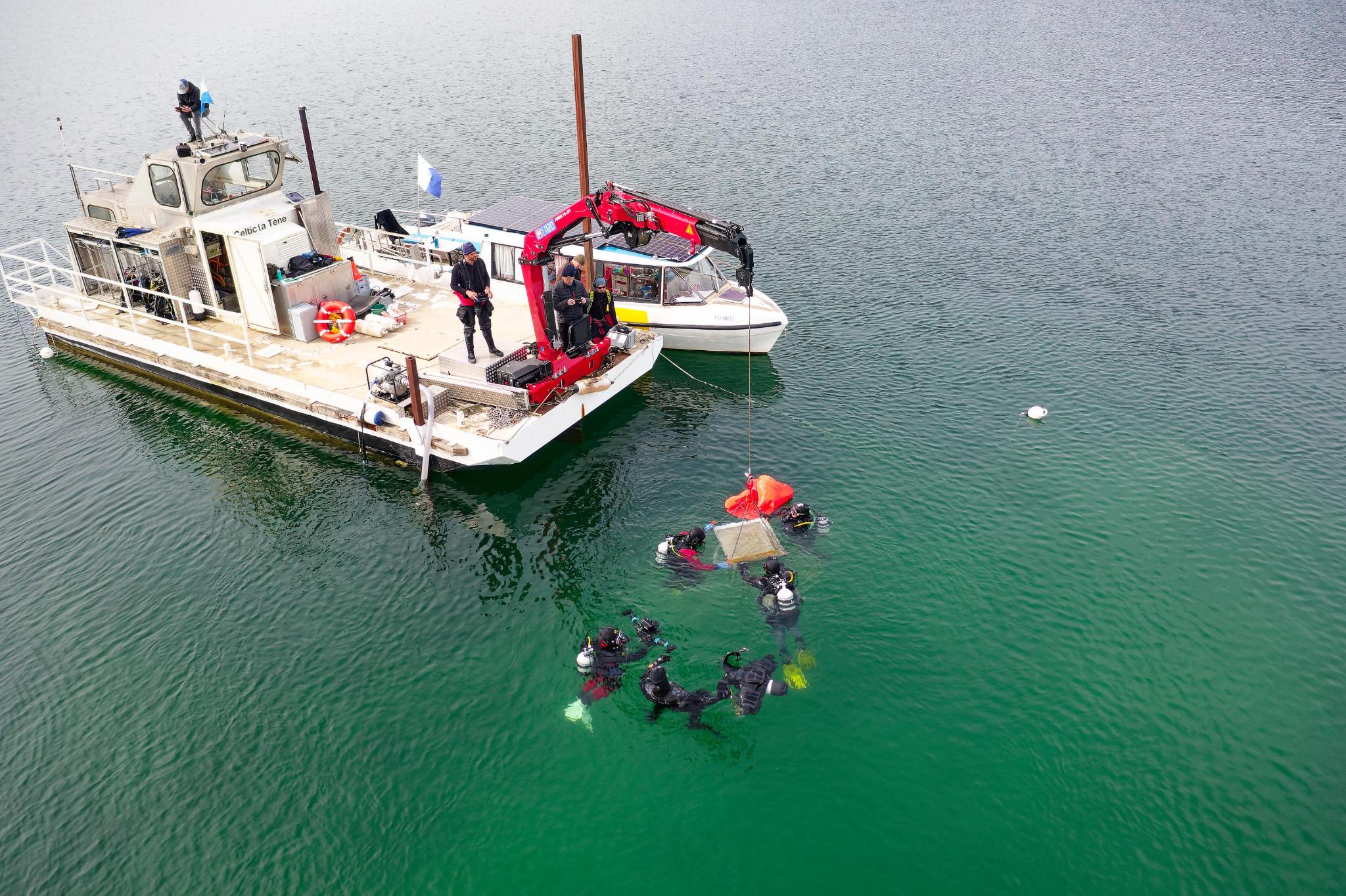
During the two-week mission, which took place between March 10 and 22, 2025, a work area 60 meters long by 24 meters wide and 8 meters deep was established, in the center of which is the area of high concentration of ceramics.
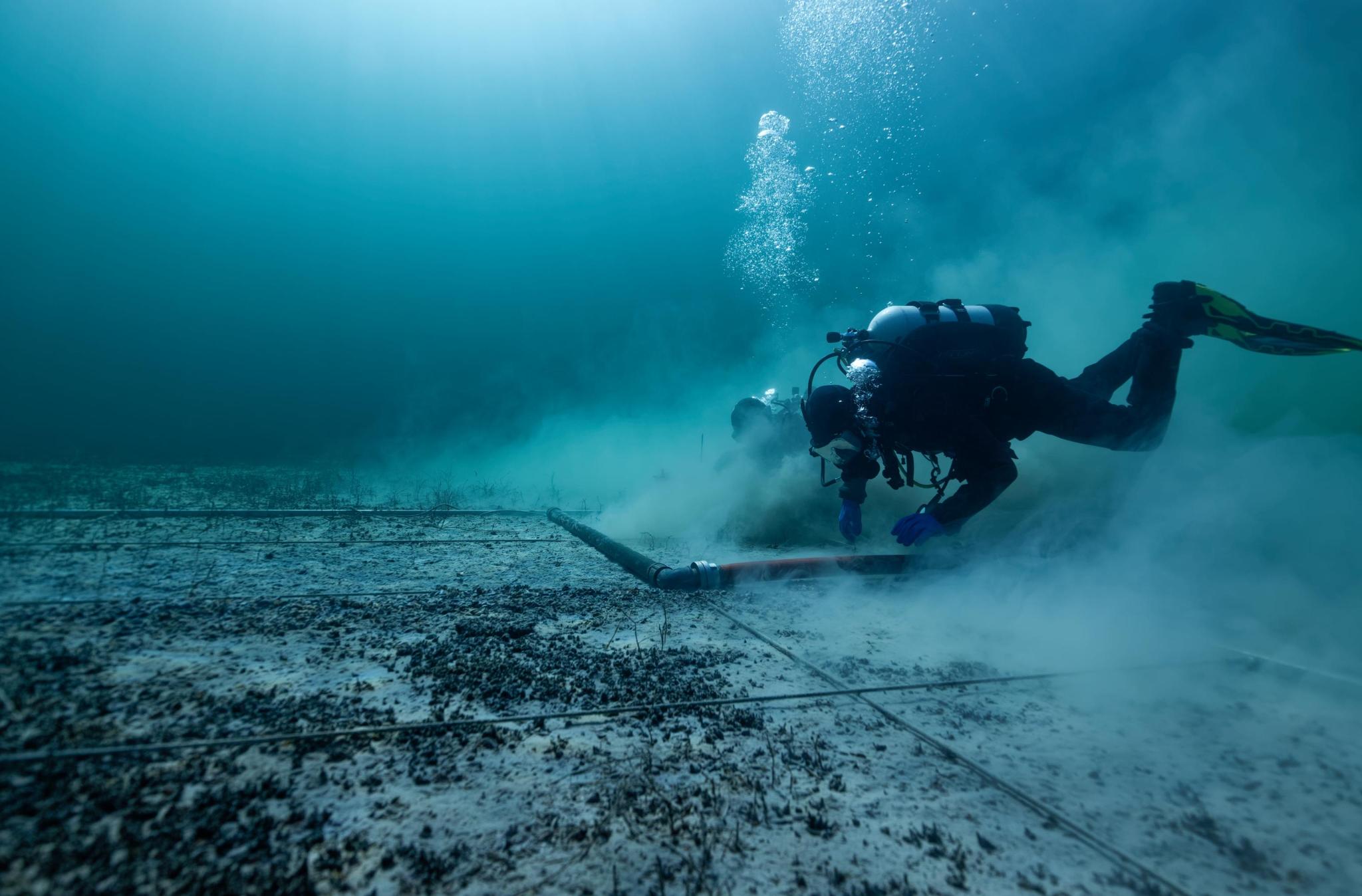
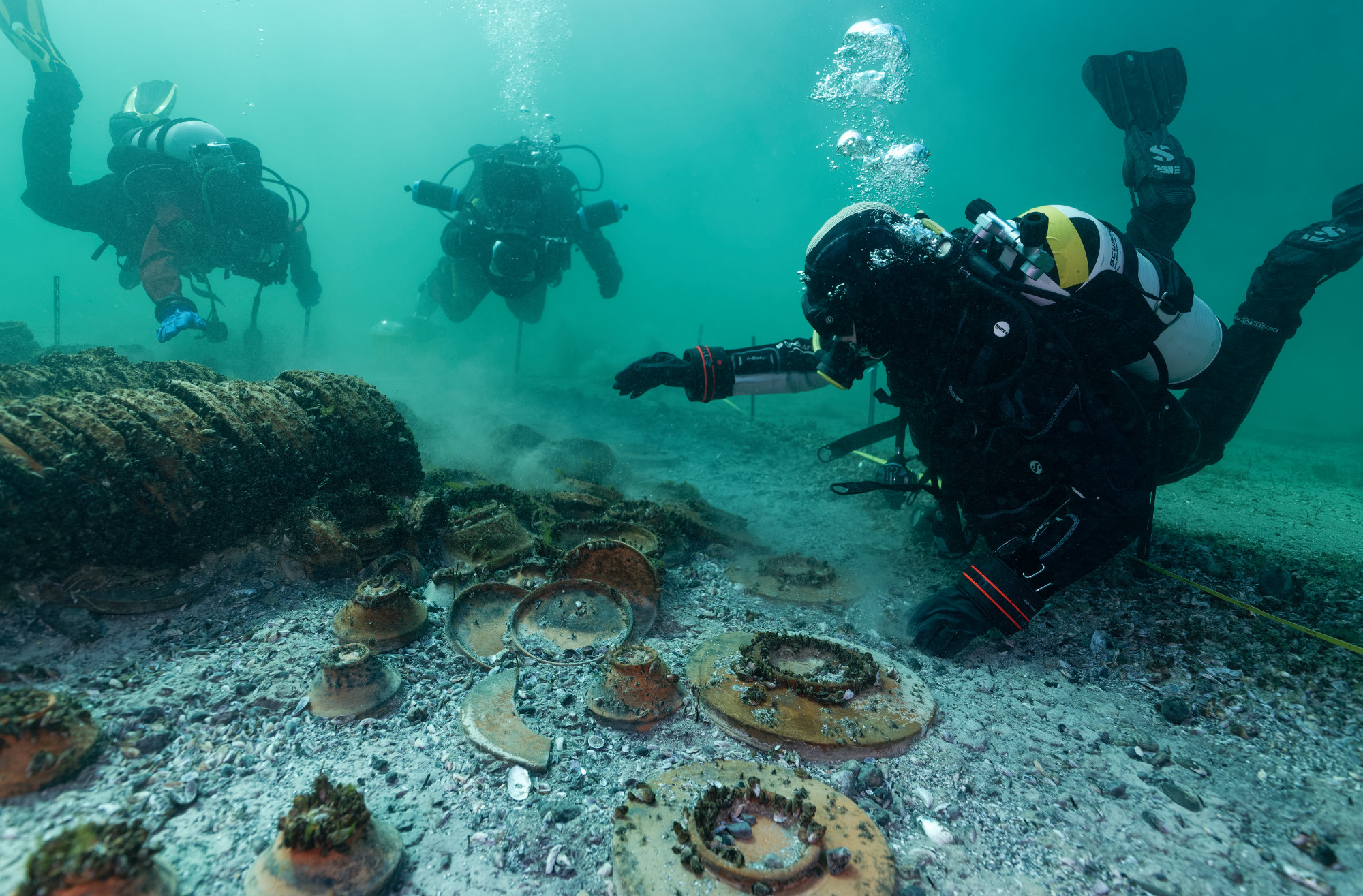
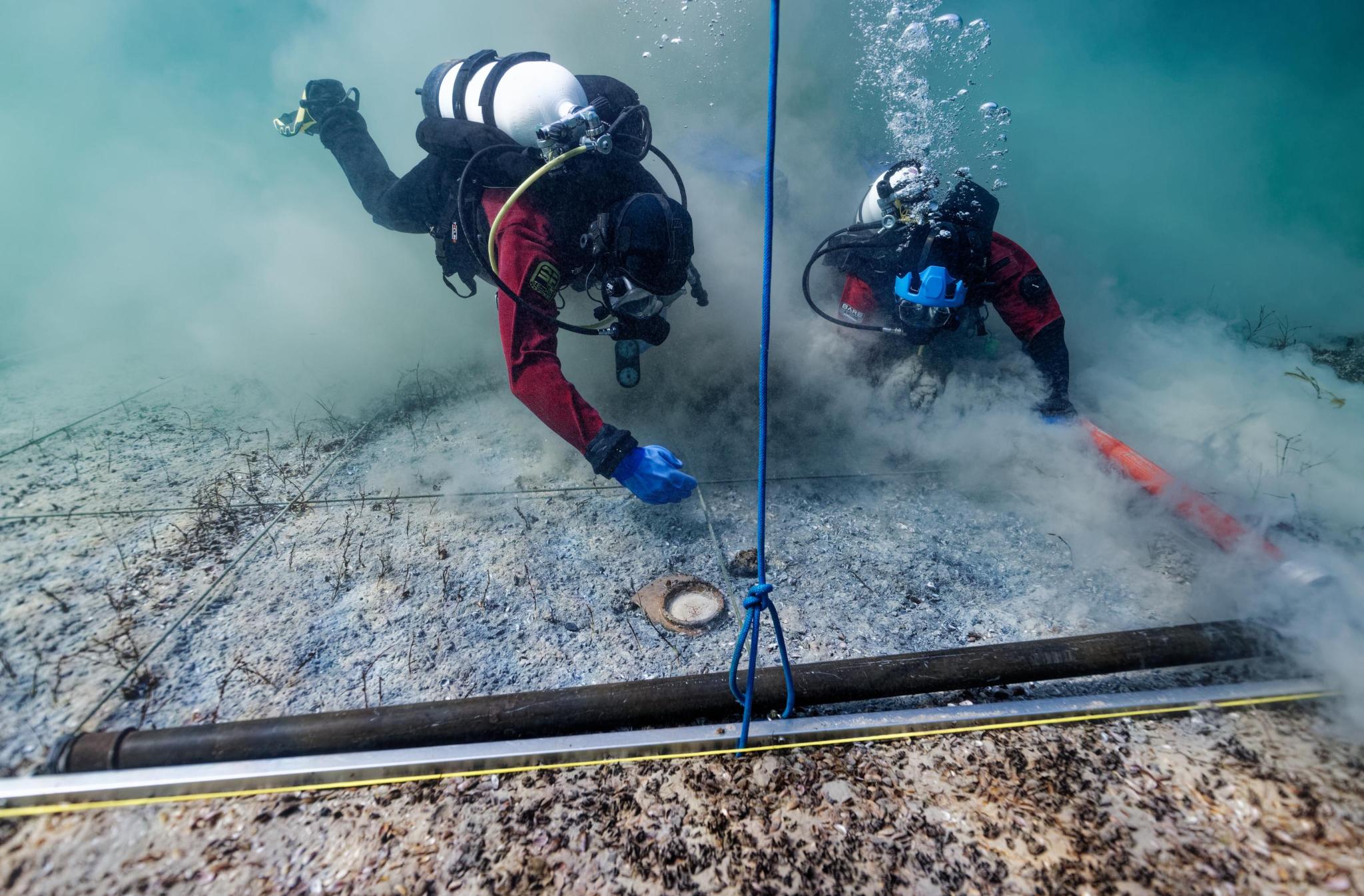
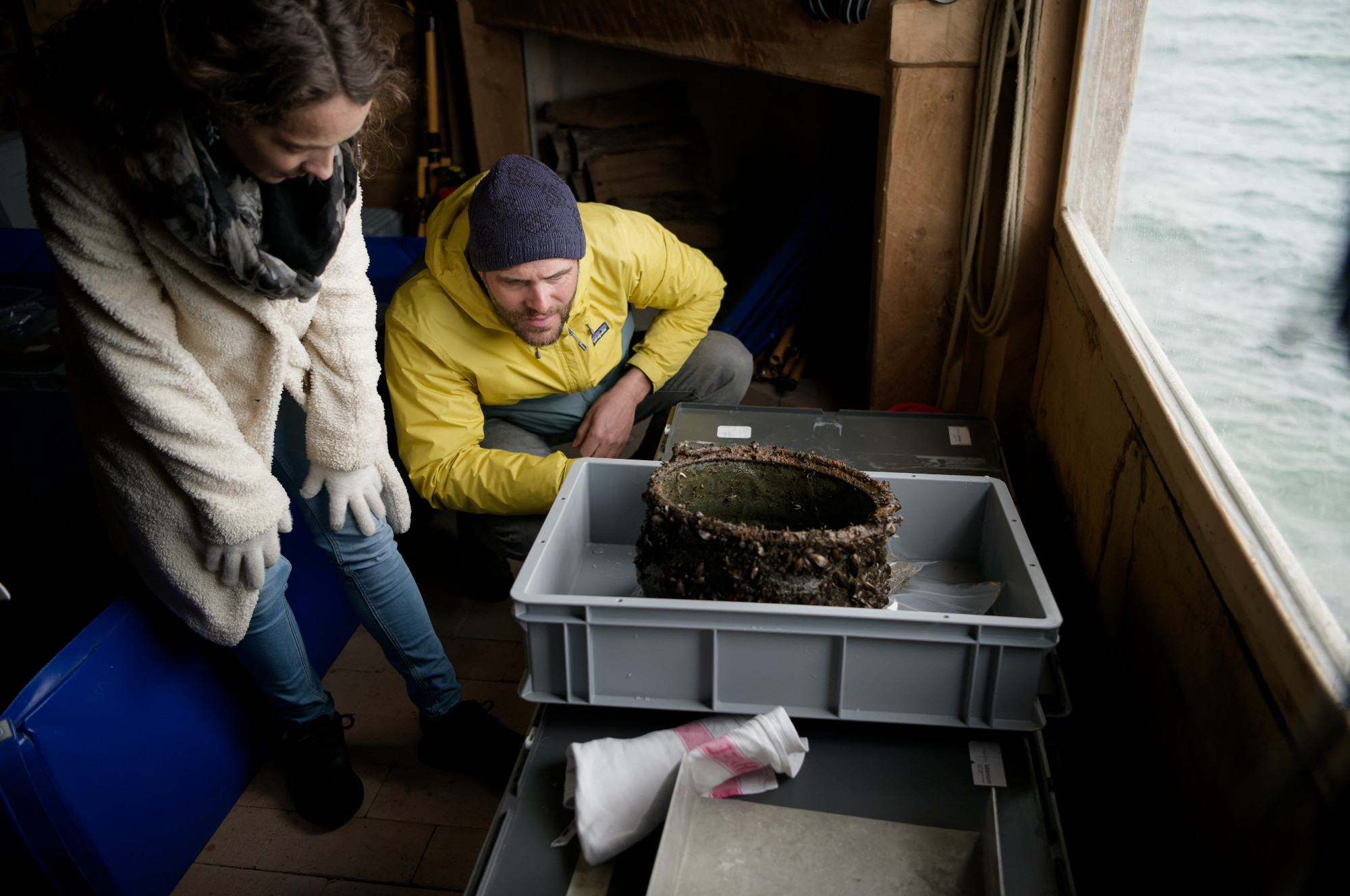
This work area was then divided into a grid and subdivided into 4-meter squares to allow for a detailed excavation and the precise positioning of each object. The team, composed of three archaeologists from the canton of Neuchâtel, three archaeologists from the canton of Fribourg, the Octopus Foundation team (6 technicians), and a volunteer, fully excavated 42 four-meter squares in the peripheral areas of the large 1000 m² work area. From this initial excavation, approximately 150 objects were unearthed, removed from the water, and taken to the museum’s restoration laboratory of the Latenium in Hauterive to be treated and stabilized.
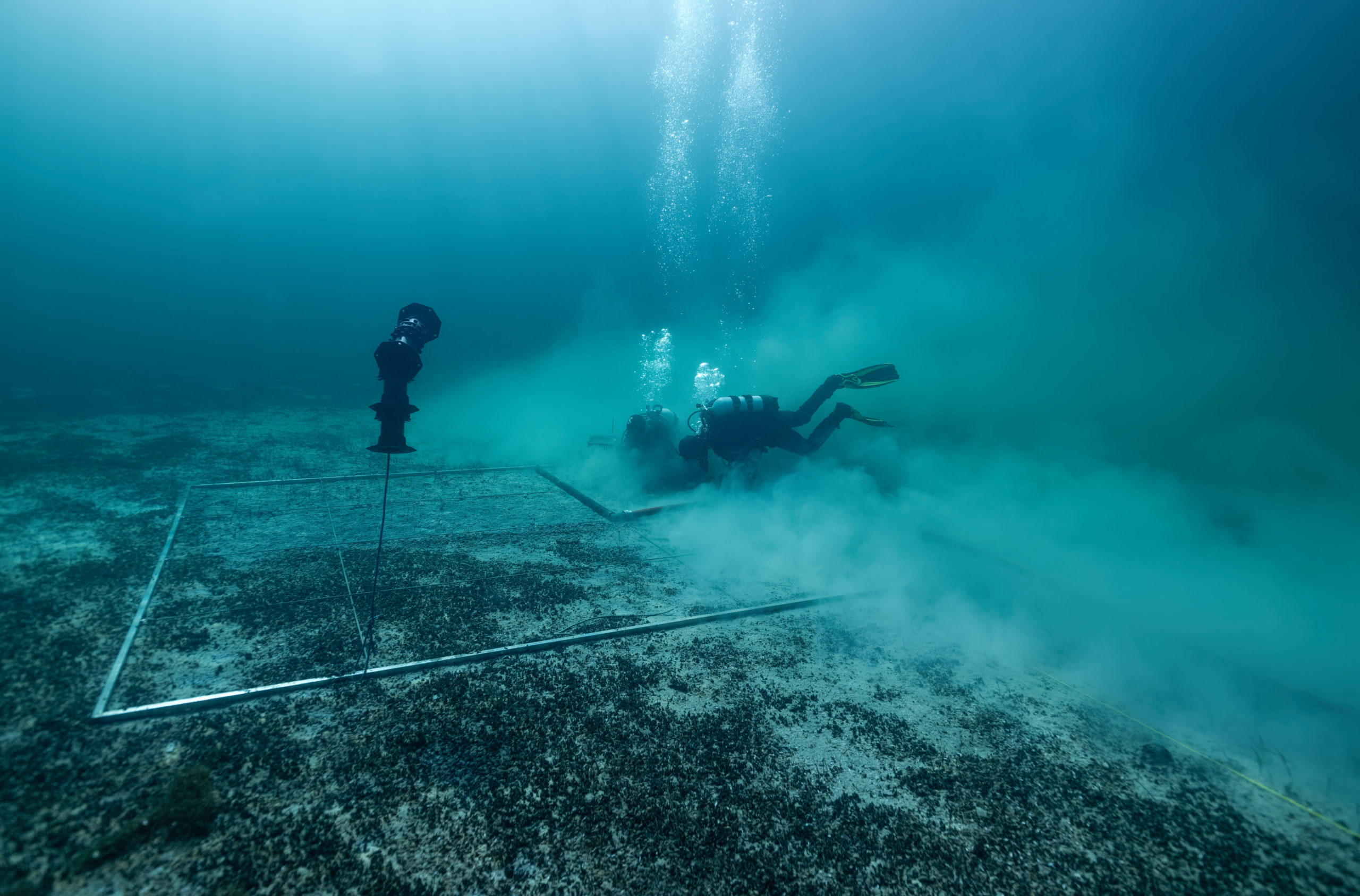
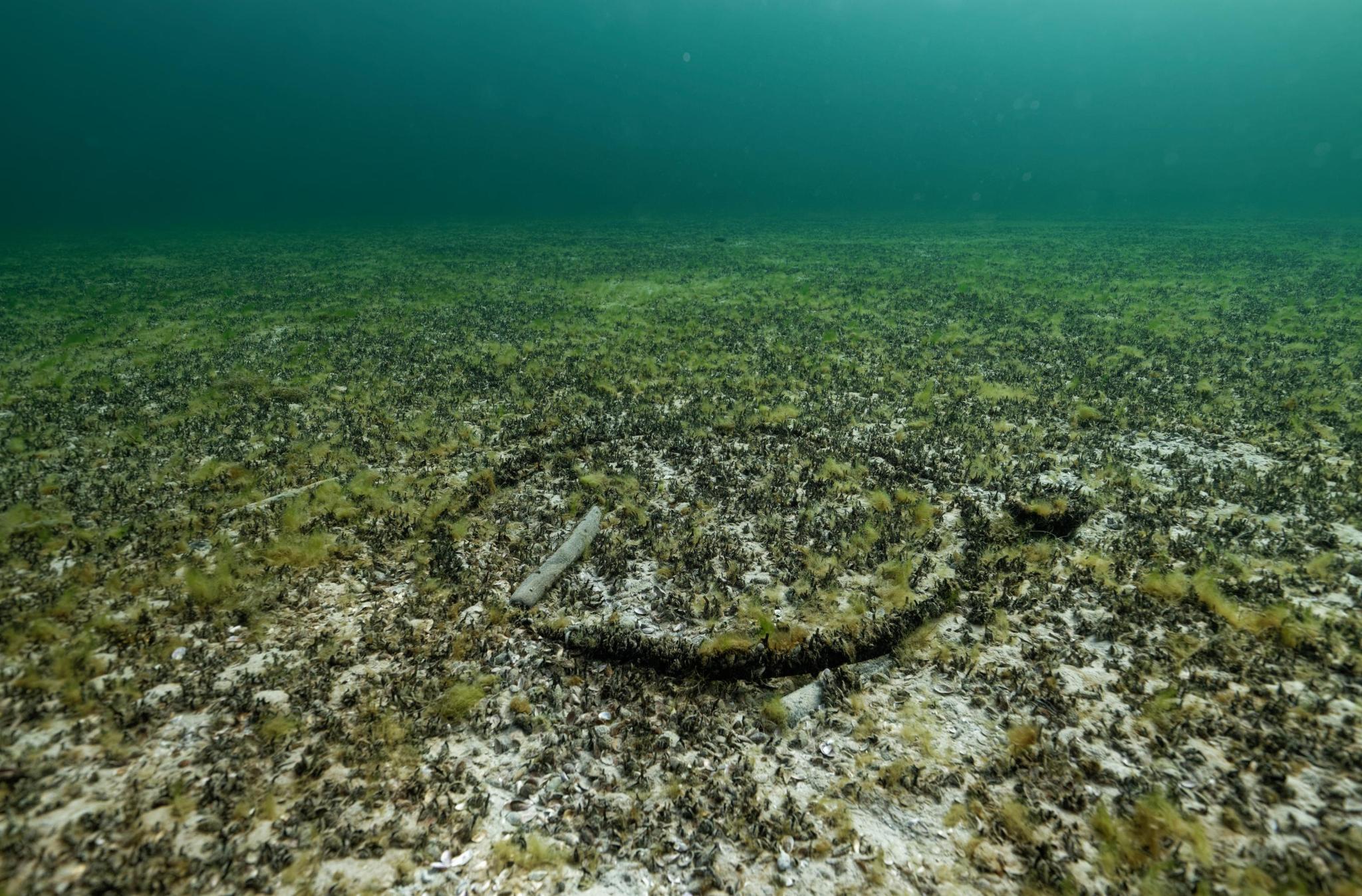
Outside this central area of approximately 1000 m2, several artifacts were found and positioned up to 200 meters north and south of the core of the cargo. These include wooden and metal chariot wheels, the remains of an amphora, and several ceramic pieces, suggesting that the shipwreck extended over a considerable distance.
The objective of this first mission was to conduct a two-week excavation campaign, with a moderate number of objects to process, so that the entire conservation and study chain would be in place and ready for the second excavation campaign with a much higher number of pieces to process.
Filed mission march 2026
For a year, this exceptional site was monitored and its existence kept secret. A system of waterproof cameras was developed for the occasion by the Octopus Foundation so that archaeologists could keep an eye on the precious cargo.
Over these long months, the Cantonal Archaeology Office of Neuchâtel (OARC) and the restoration team from the Laténium Museum have treated and studied the approximately 150 artifacts recovered from the water during the excavation mission of March 2025. This initial phase allowed for the establishment of logistics and conservation protocols, tailored to the materials (wood, terracotta, metals), in order to stabilize these highly fragile pieces once removed from the water. The aim is to temporarily keep them in demineralized water at a temperature close to that from which they were extracted, approximately 5-6°C. Subsequently, they are gradually dried until completely stable.
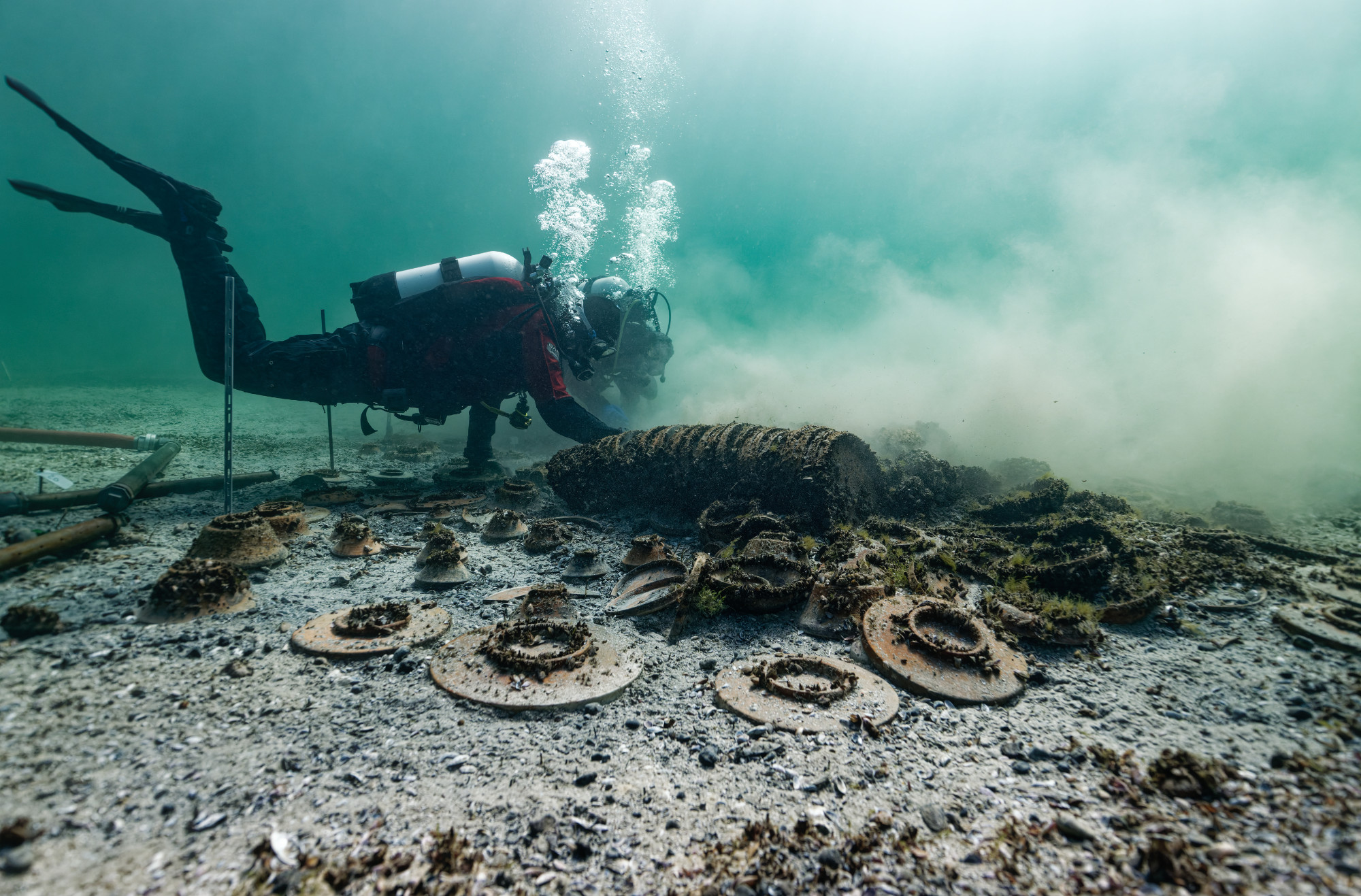
In early March 2026, the entire team resumed excavations in Lake Neuchâtel for a mission lasting nearly a month. This time, the stakes were high, as all the remaining artifacts had to be precisely positioned, identified, removed from the water, and secured. Initial estimates placed the total at approximately 1000 artifacts.
For the 2026 mission, 19 squares, each 4 meters on a side, remained to be excavated.
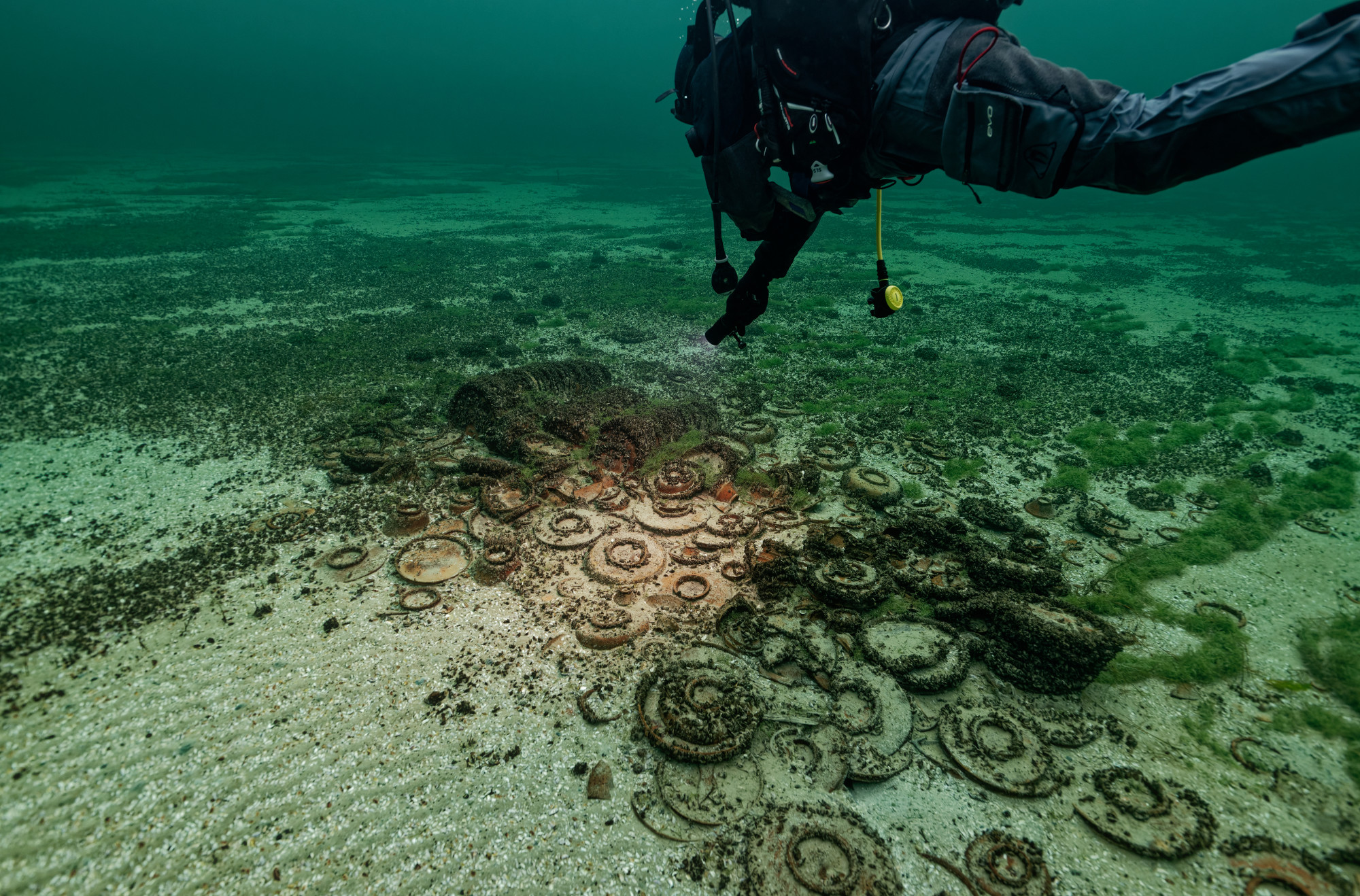
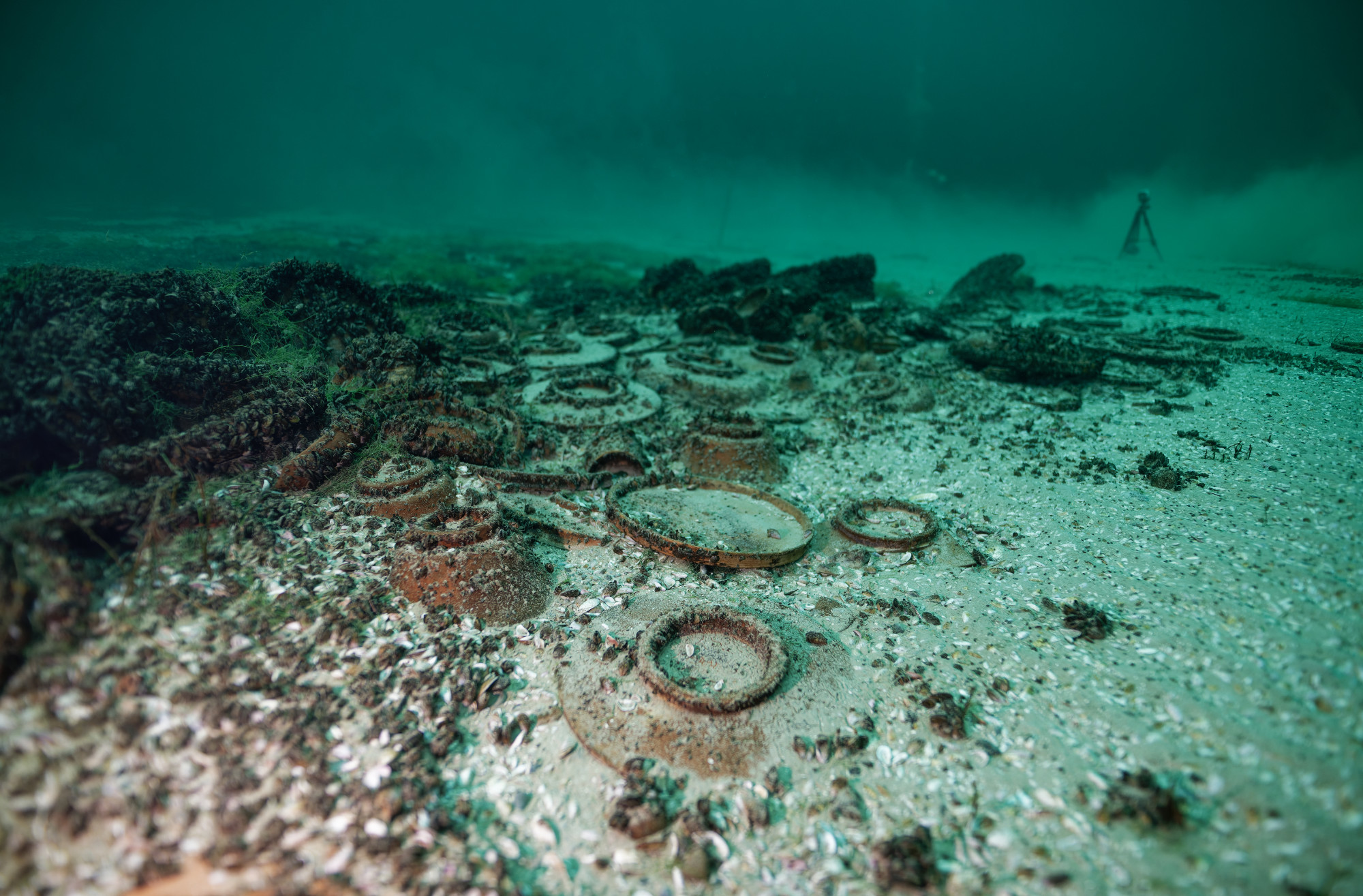
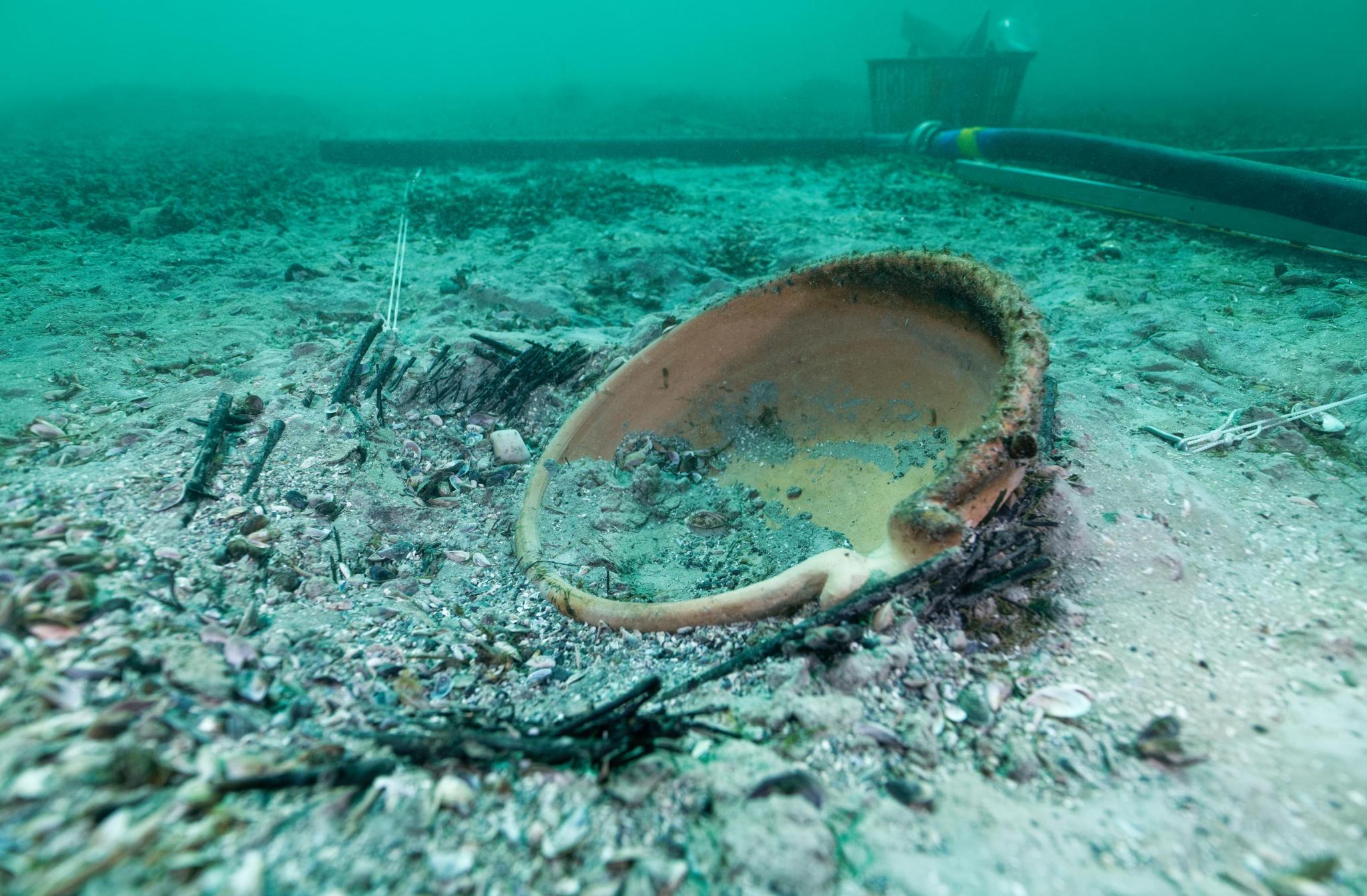
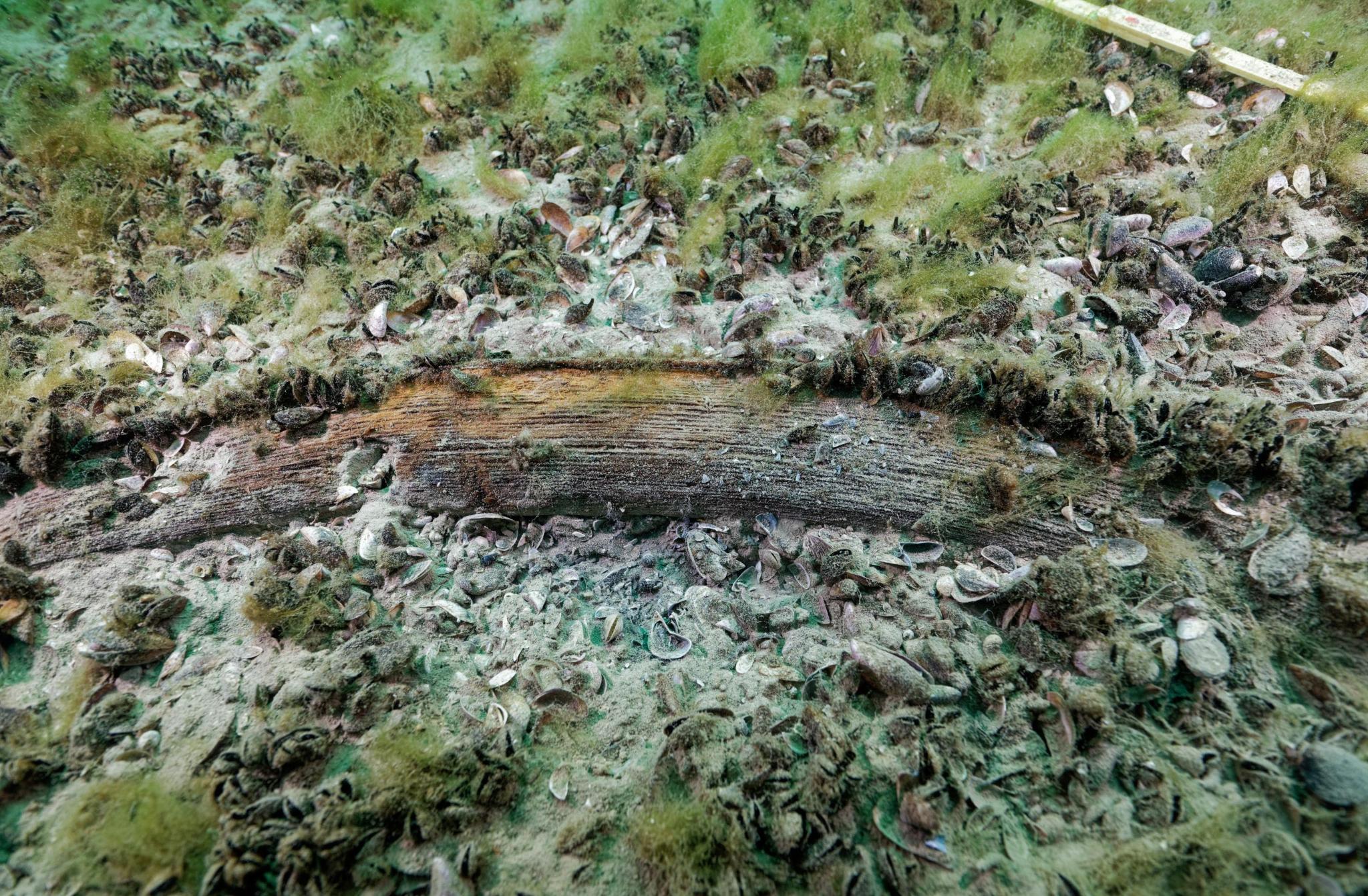
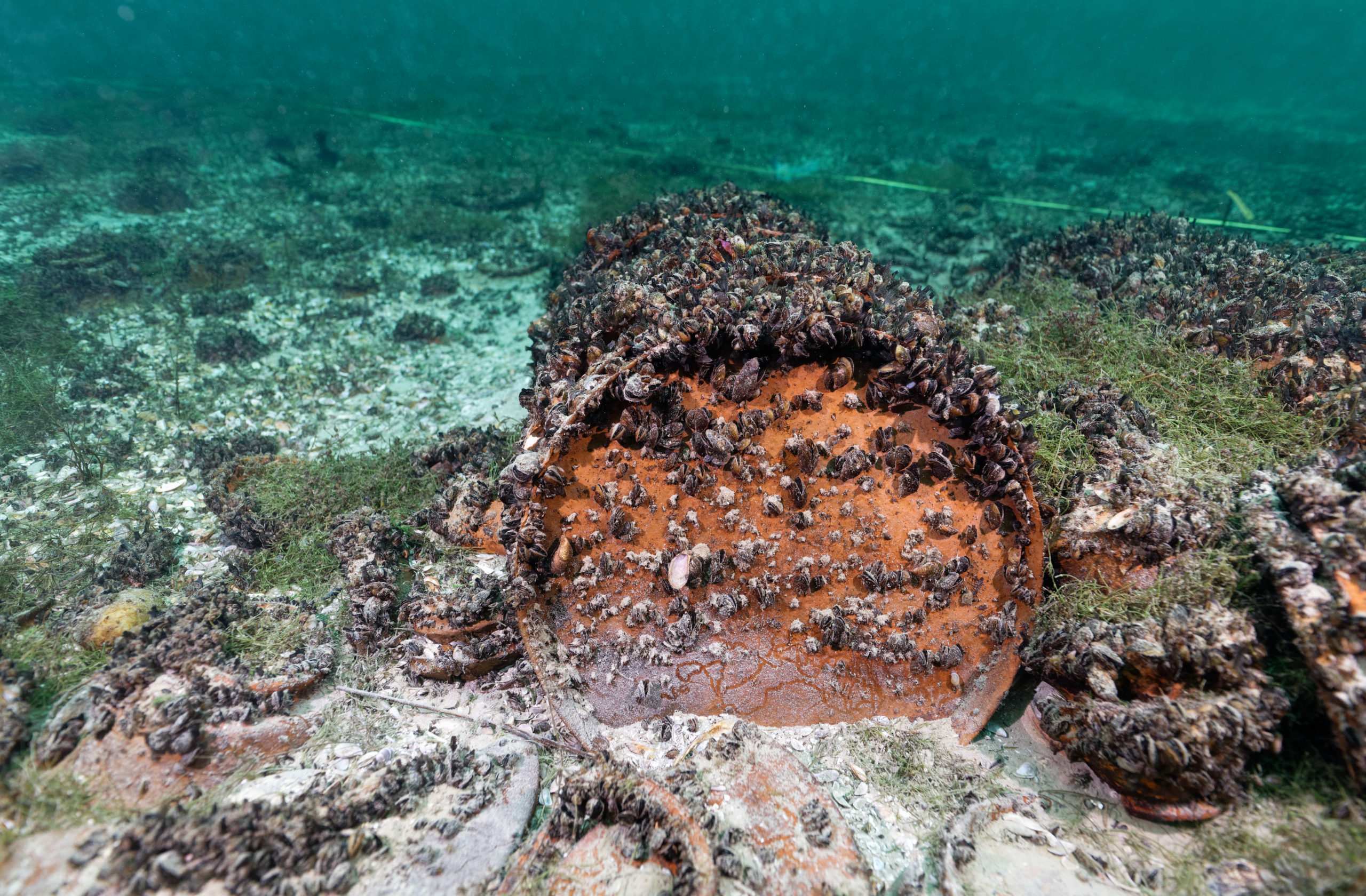
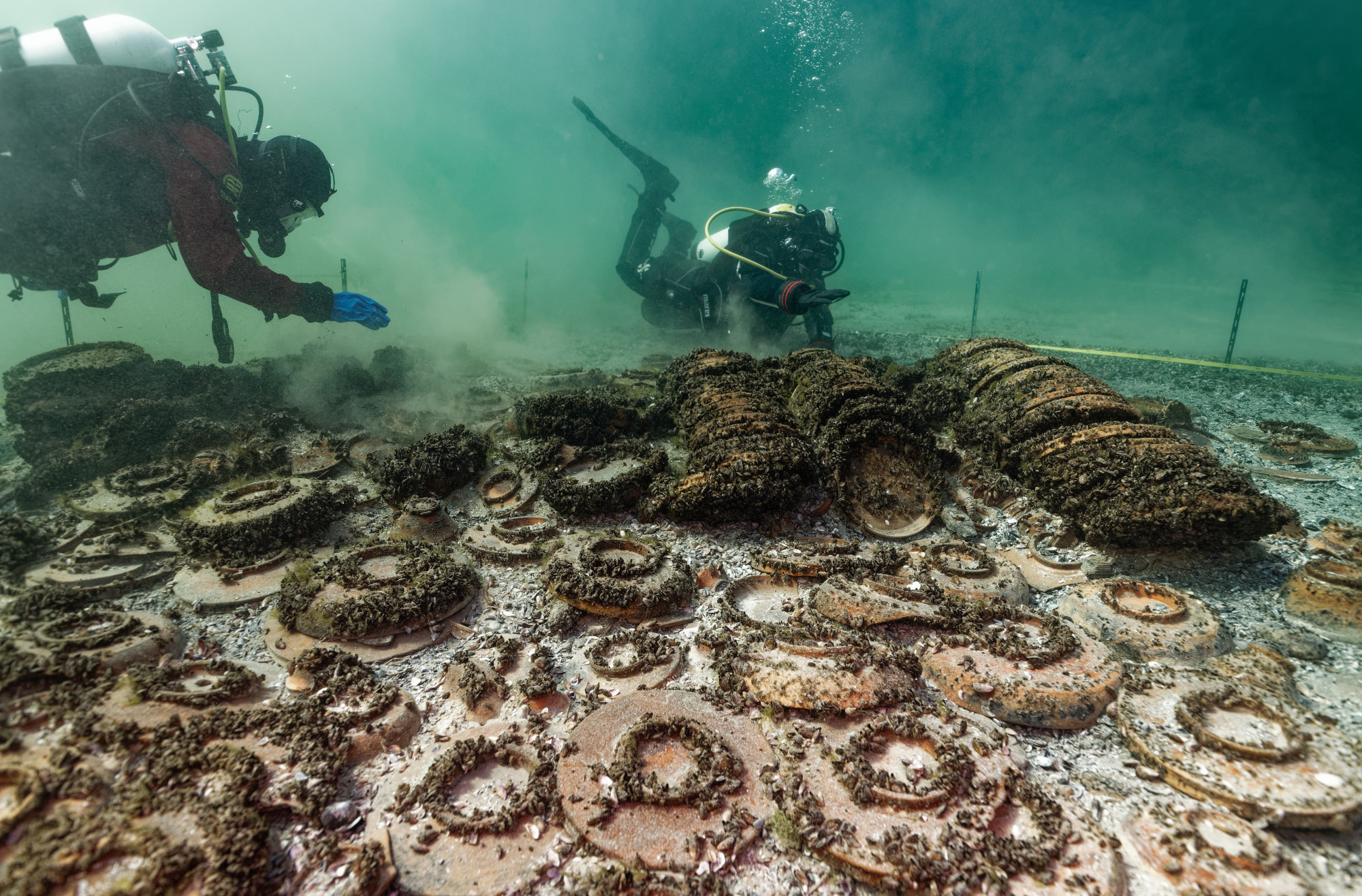
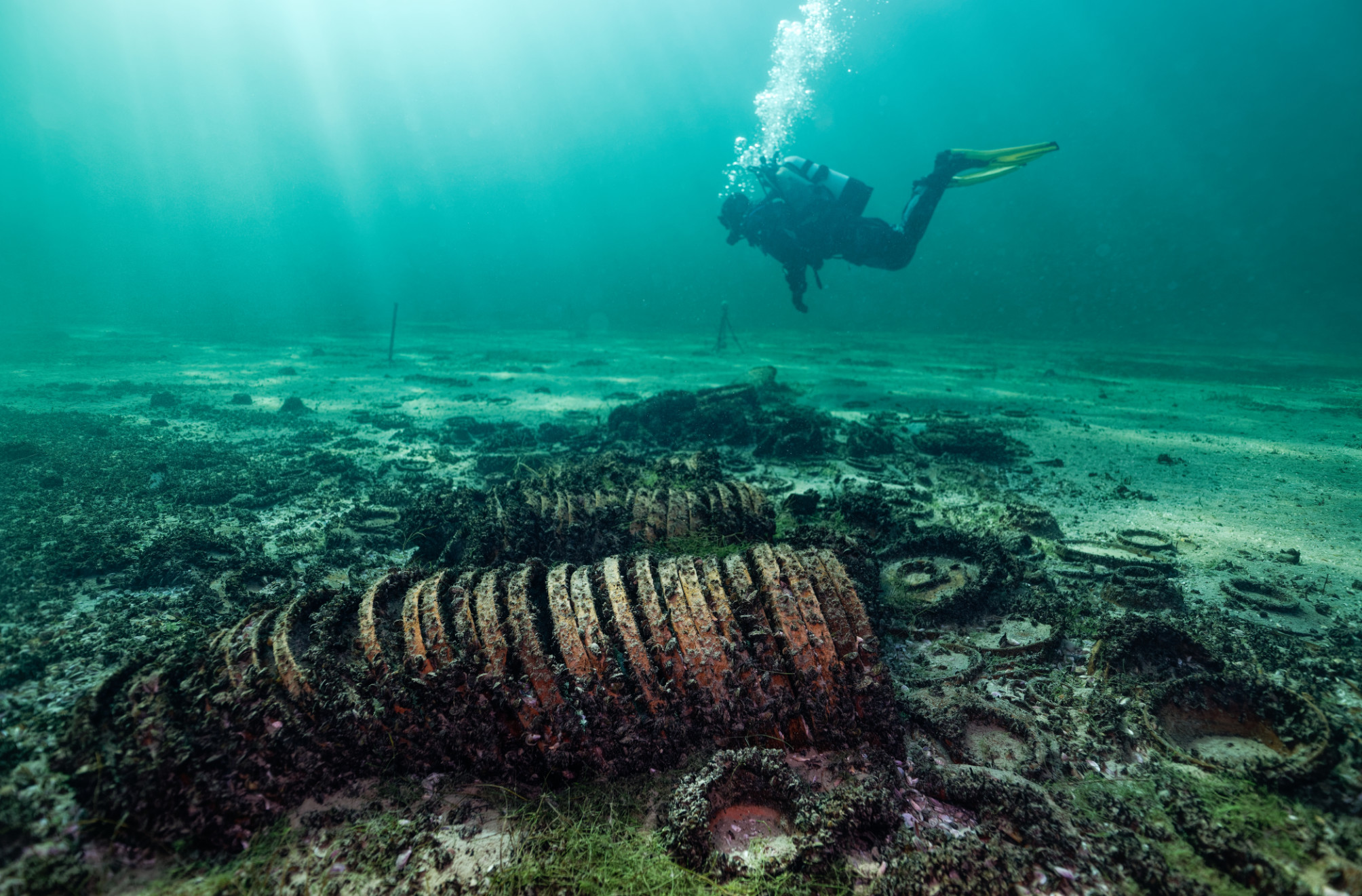
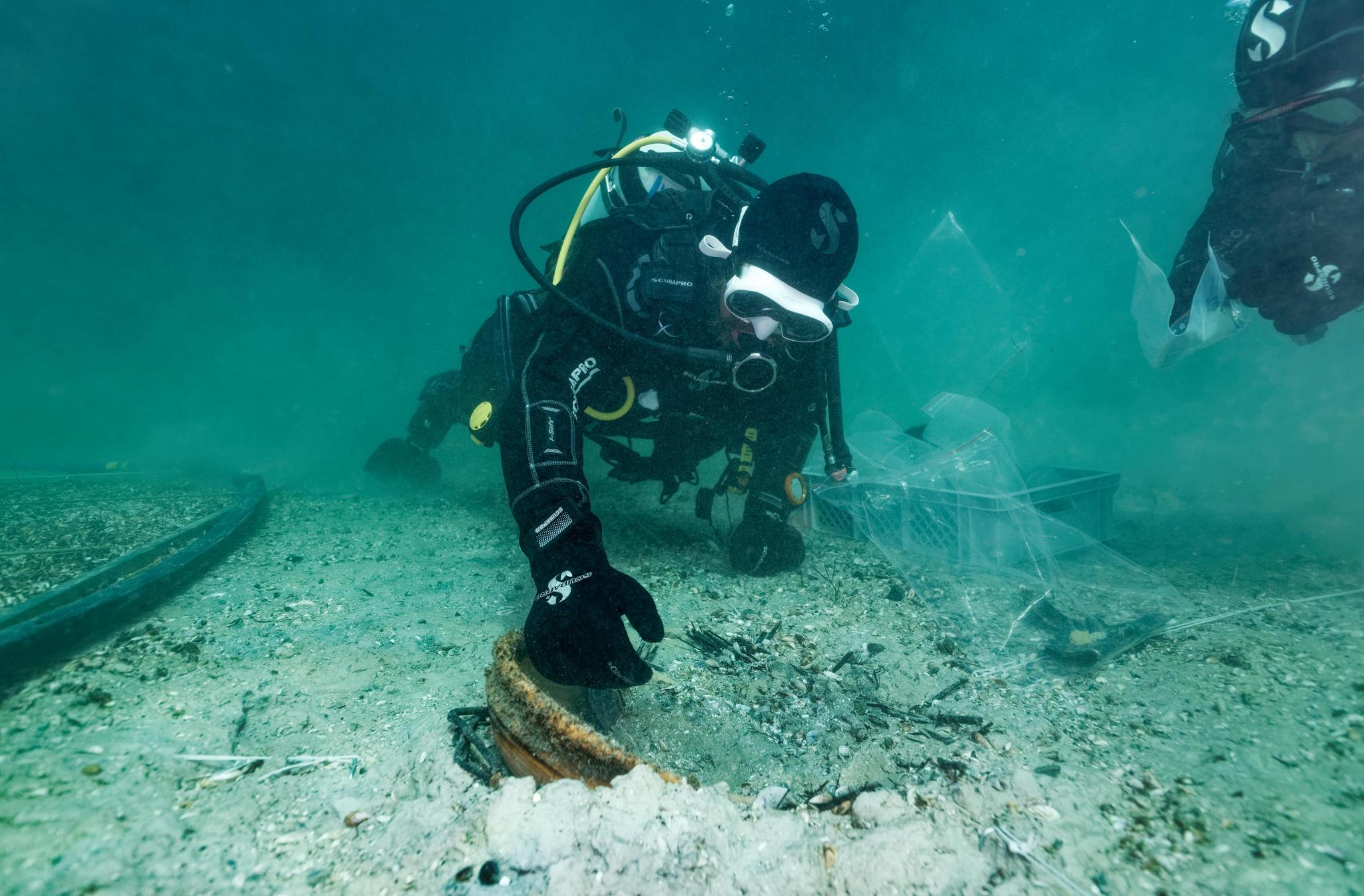
We know that a great many artifacts lie directly on the lakebed. These are not particularly difficult to position, identify, and remove. But in the most concentrated area, an as-yet-undetermined quantity is piled up in several layers. From the very beginning of the excavation, we were able to observe, while diving, series of plates and bowls arranged vertically in racks, which could be in the position they were in on the boat that transported them, perhaps packed in wooden crates. The entire challenge, therefore, consisted of extracting these “stacks” of plates while preserving as much as possible the fragile wooden structure beneath them.
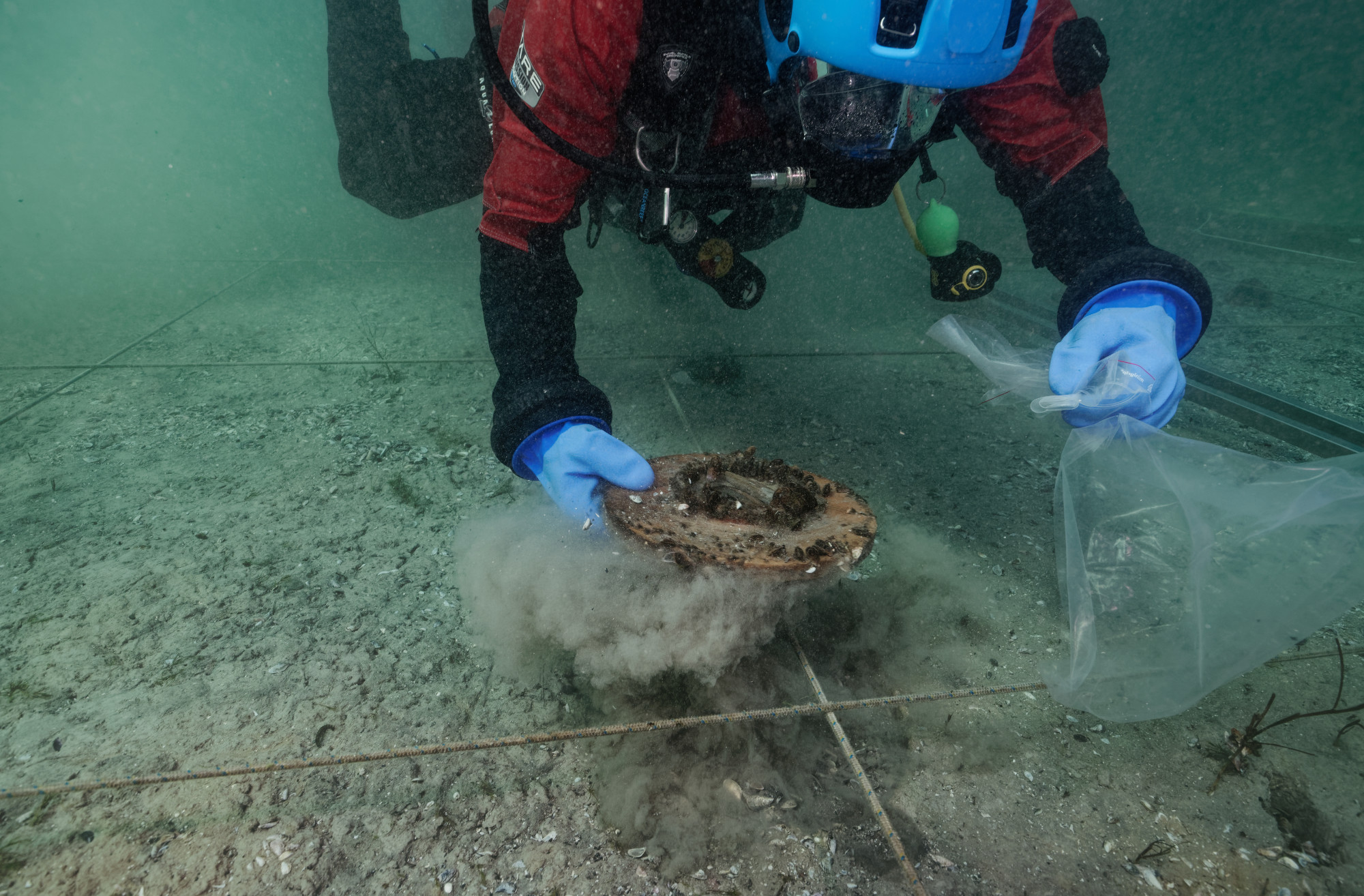
Several teams took turns, making two or three dives a day for a month, meticulously measuring, drawing, and collecting all the artifacts.
At the end of this exceptional mission, we remember that two thousand years ago, a ship lost its cargo in the waters of Lake Neuchâtel. At the time, the loss must have been immense. But today, this accidental shipwreck will allow numerous archaeologists and historians to better understand the world in which the Helvetii lived, at the heart of the Roman Empire.
Location
Aerial drones
The use of aerial drones is particularly useful for detecting underwater objects when they are at shallow depths and in clear water.
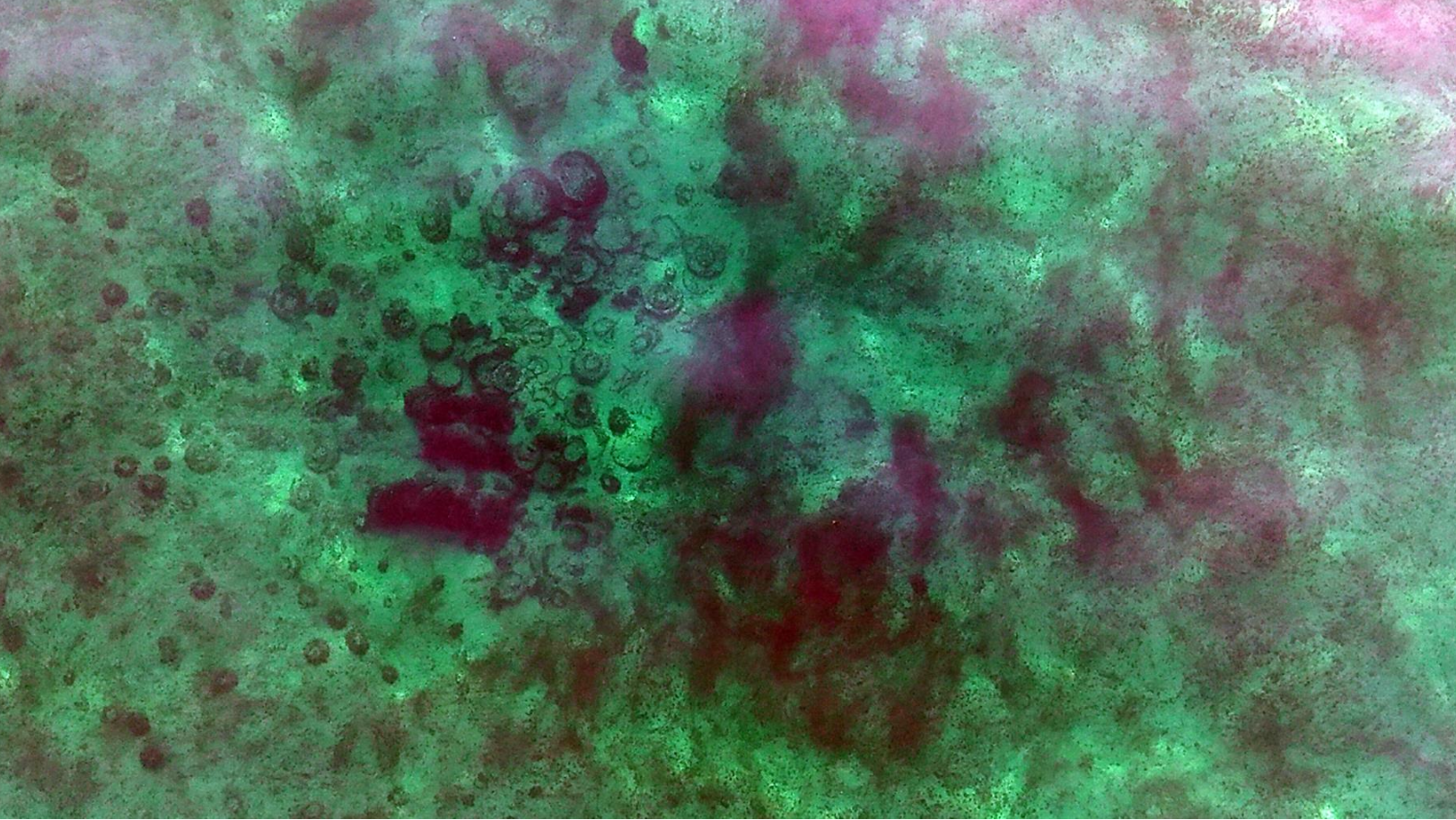
3D modeling of shipwrecks
Once the underwater photography has been acquired, the Octopus Foundation team processes the data using computer software to obtain a 3D model of an object like this one. (password: latenium).
Once the model is loaded, you can rotate it by clicking in the center of the window and dragging the cursor. You can also zoom and move the model around by holding down the Shift key.
In a simple and free way, the Octopus Foundation shows that it is possible to immerse people without any knowledge of diving in the depths and allow them to observe an object at the bottom of the water.
Photogrammetry
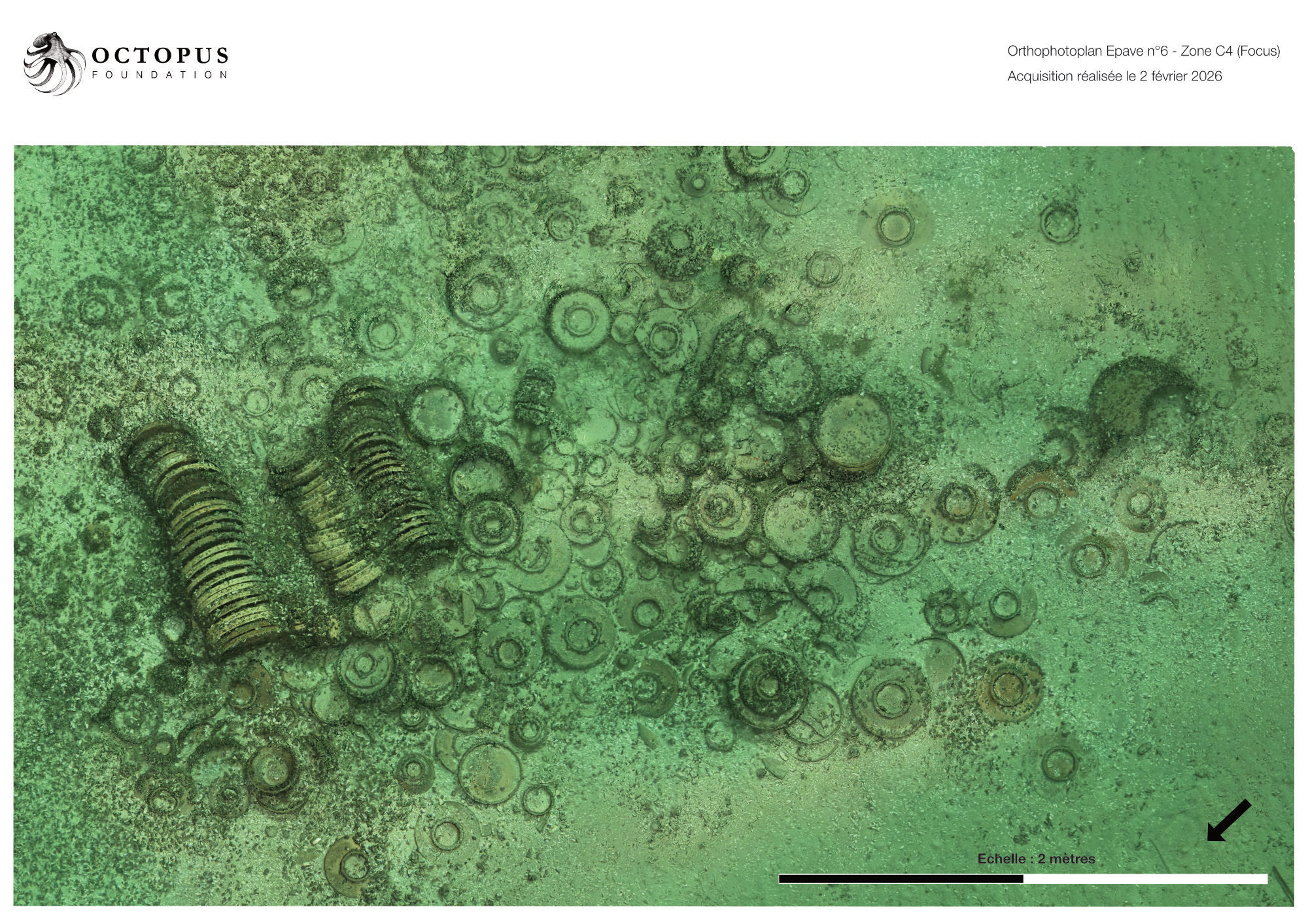
From the digital 3D model, a simple visualization tool, the computer program extracts a scientific tool: the orthophoto. By projecting the entire terrain vertically onto a horizontal plane, this map, accurate to the centimeter, accurately reflects all dimensions on the ground. While dive time is limited by the air in a tank, it is now possible to “extract” the work area from the seabed for detailed study on land.
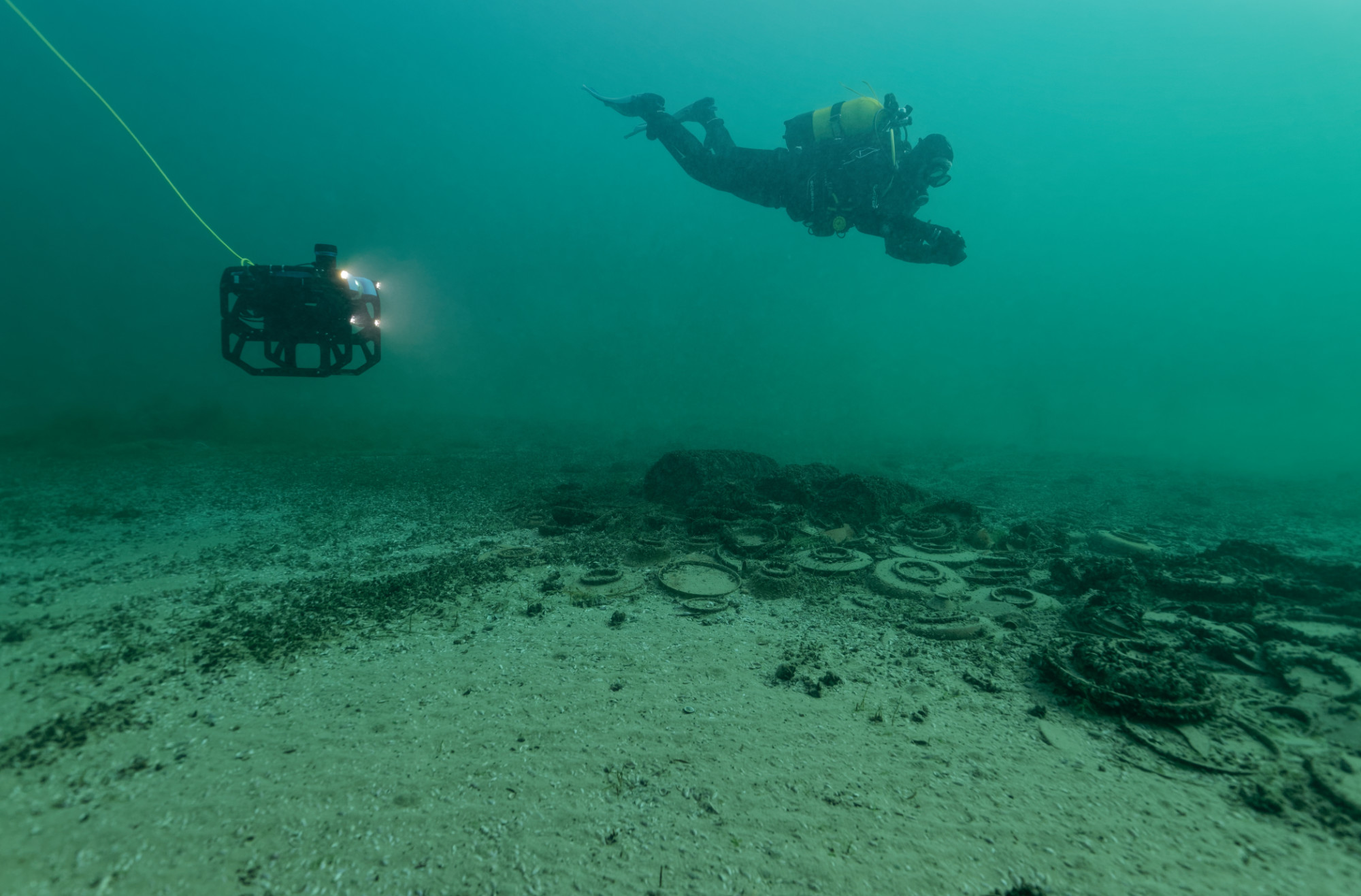
Underwater drone
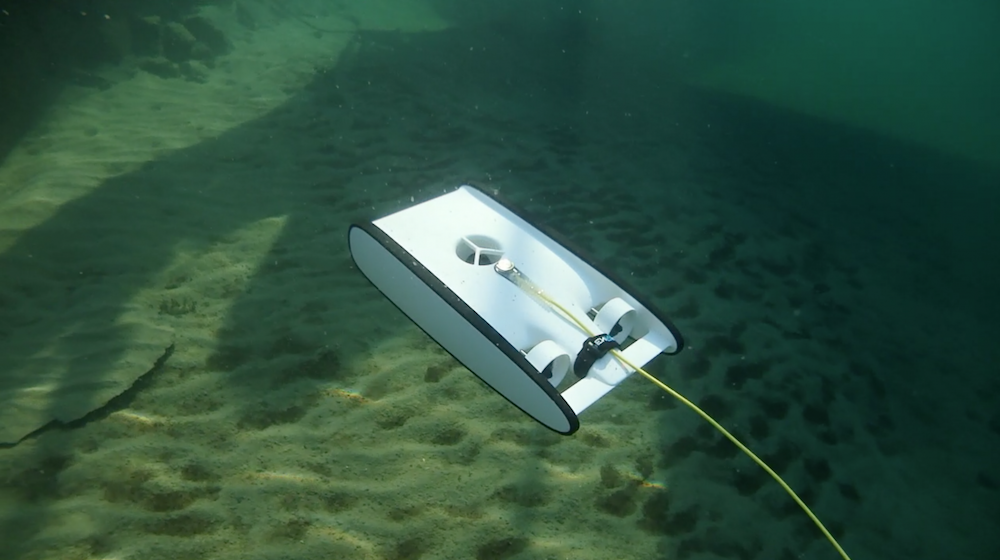 The use of small ROVs allows us to:
– preview a wreck before sending a team of divers
– perform an initial analysis of dive parameters, such as visibility, water temperature, and current
– capture deep-sea images in areas difficult for divers to access
Location
The objects found allow us to refine somewhat the nature and dating of the cargo, although any conclusion will only really be possible after many months or years of specialized studies.
During the March 2025 mission, we found:
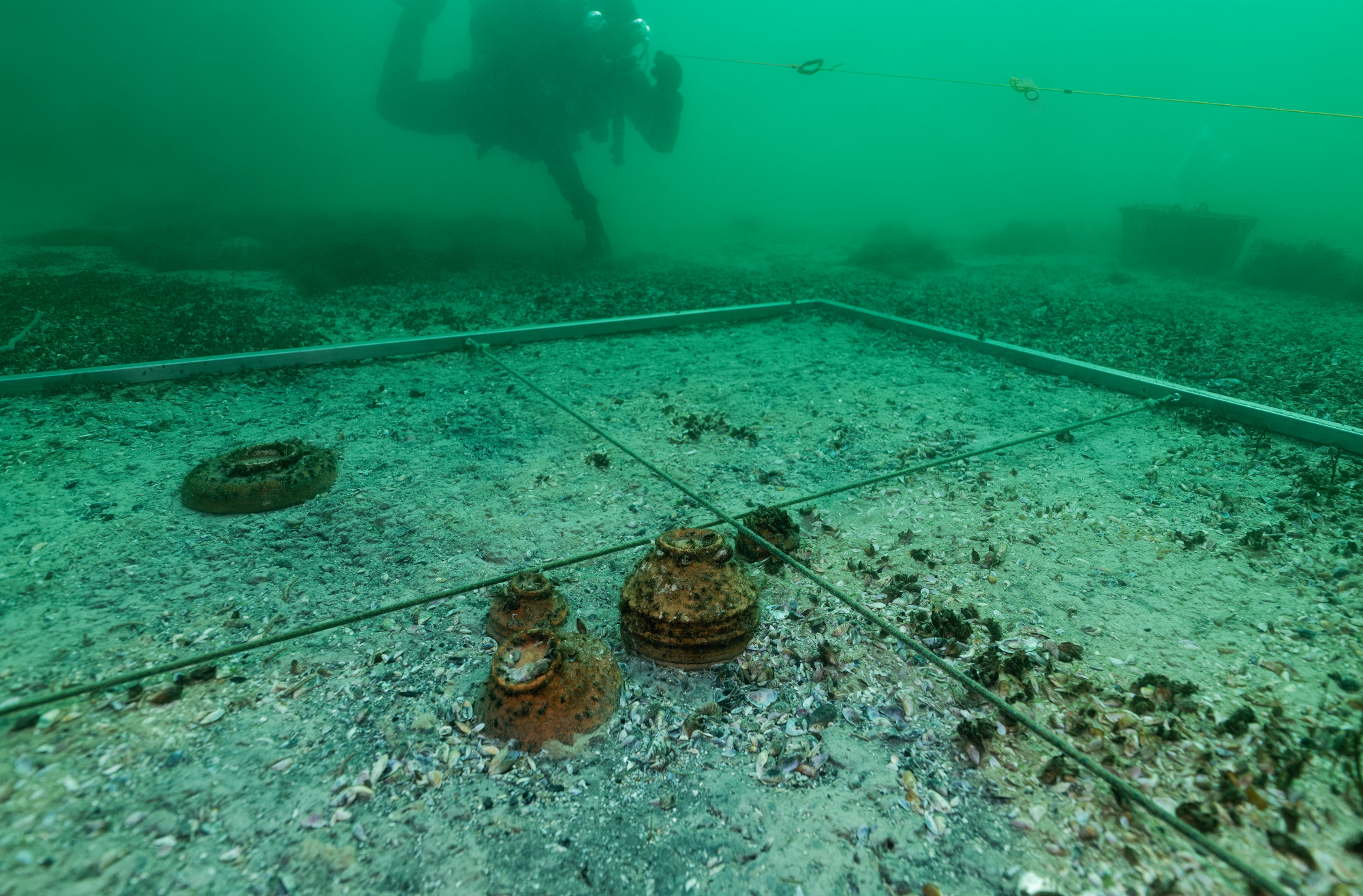
> A complete set of several hundred ceramic pieces (the vast majority intact). This very large haul includes large platters, plates, bowls, and goblets of various sizes. None of the pieces recovered from the water in 2025 bore the potter’s mark that would allow us to identify their place of origin. However, initial analyses suggest that these pieces may have been made locally, on the Swiss Plateau.
> Two large pieces of amphorae used to store and transport goods such as oil or wine.
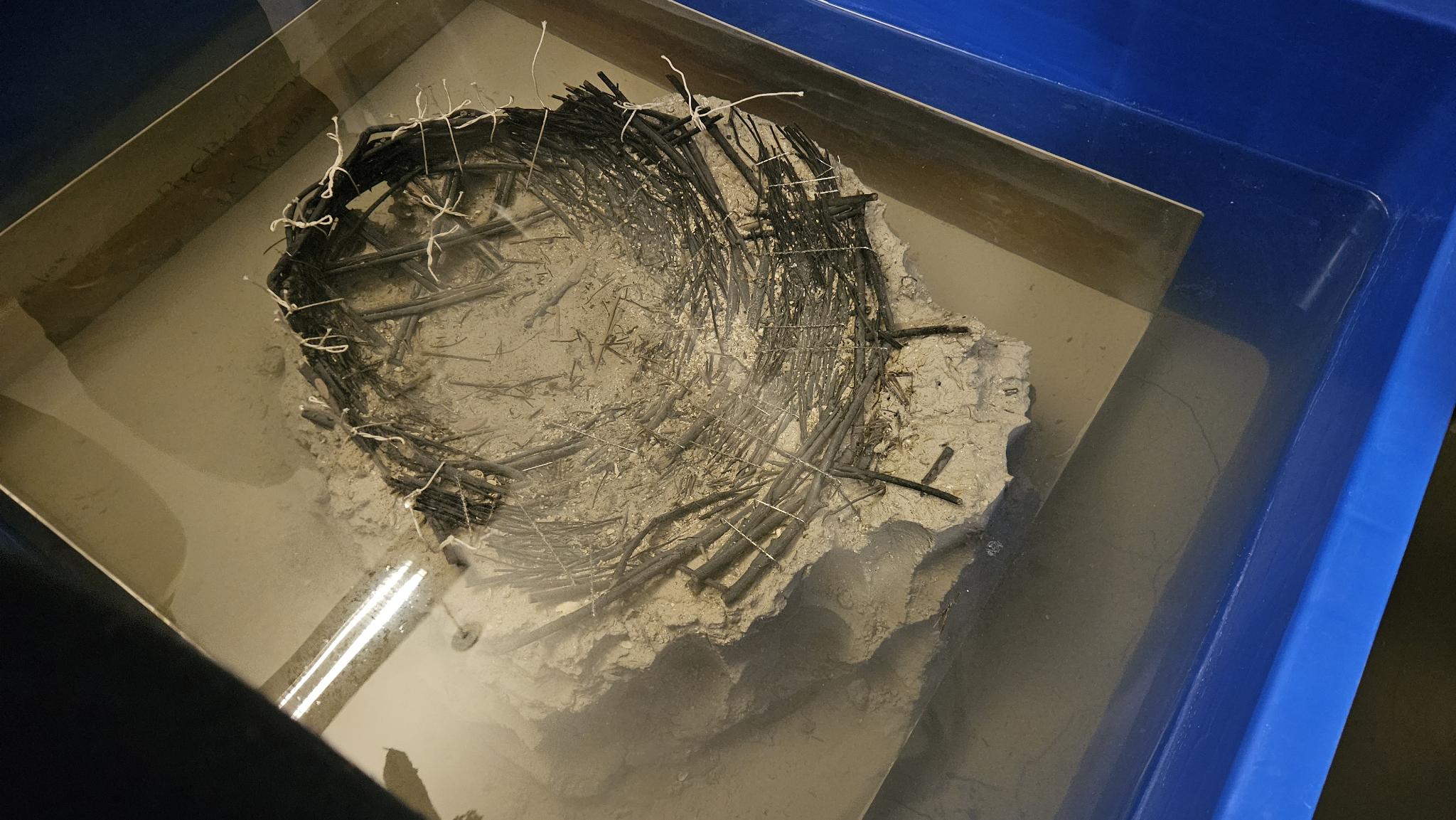
 > A wicker basket, miraculously preserved in the lake chalk, contained a group of six ceramic pieces of a different production than the rest of the cargo. These could have been the cooking equipment of the ship’s sailors.
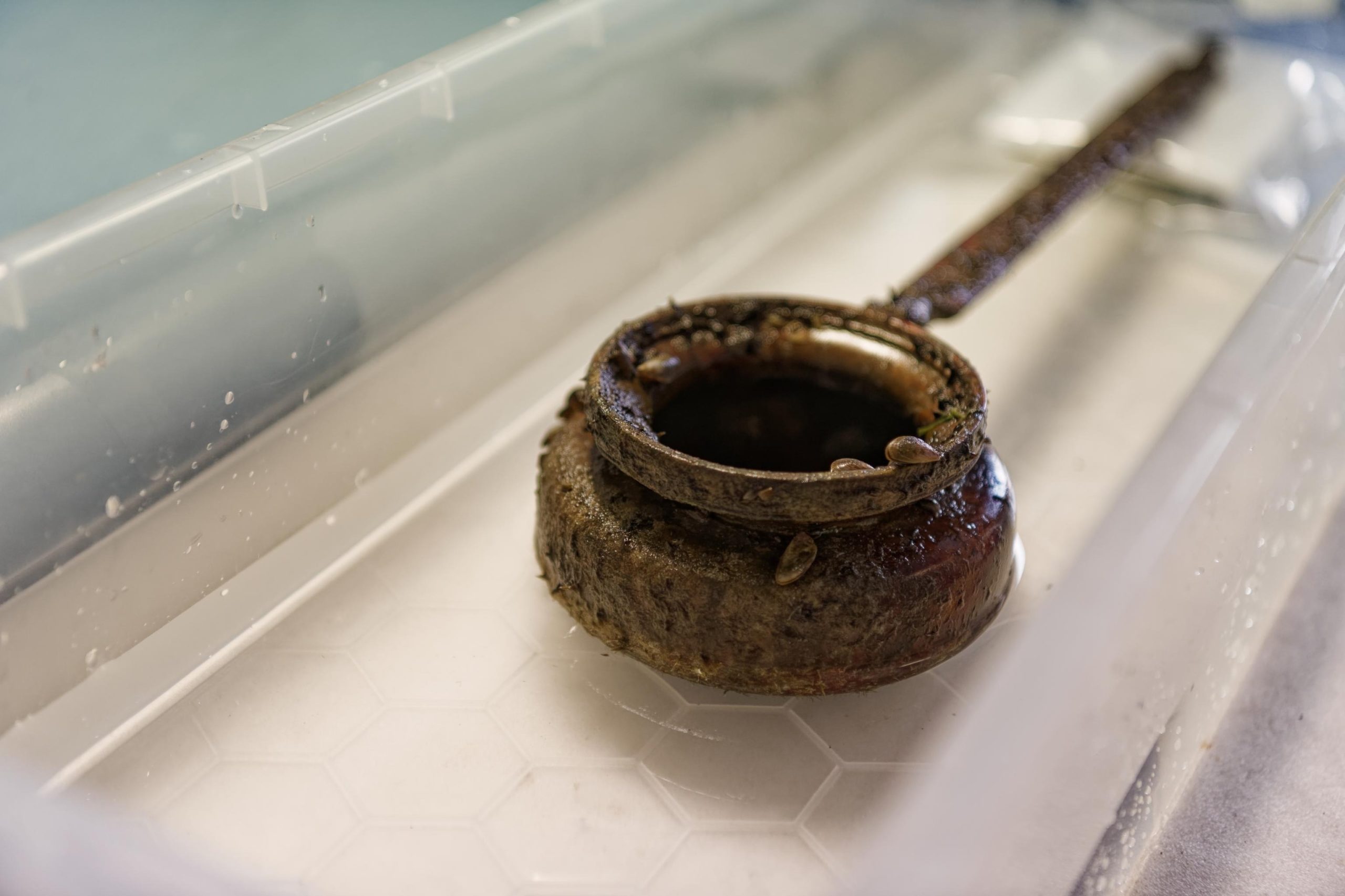
> Several metal kitchen items such as a cauldron and a crucible.
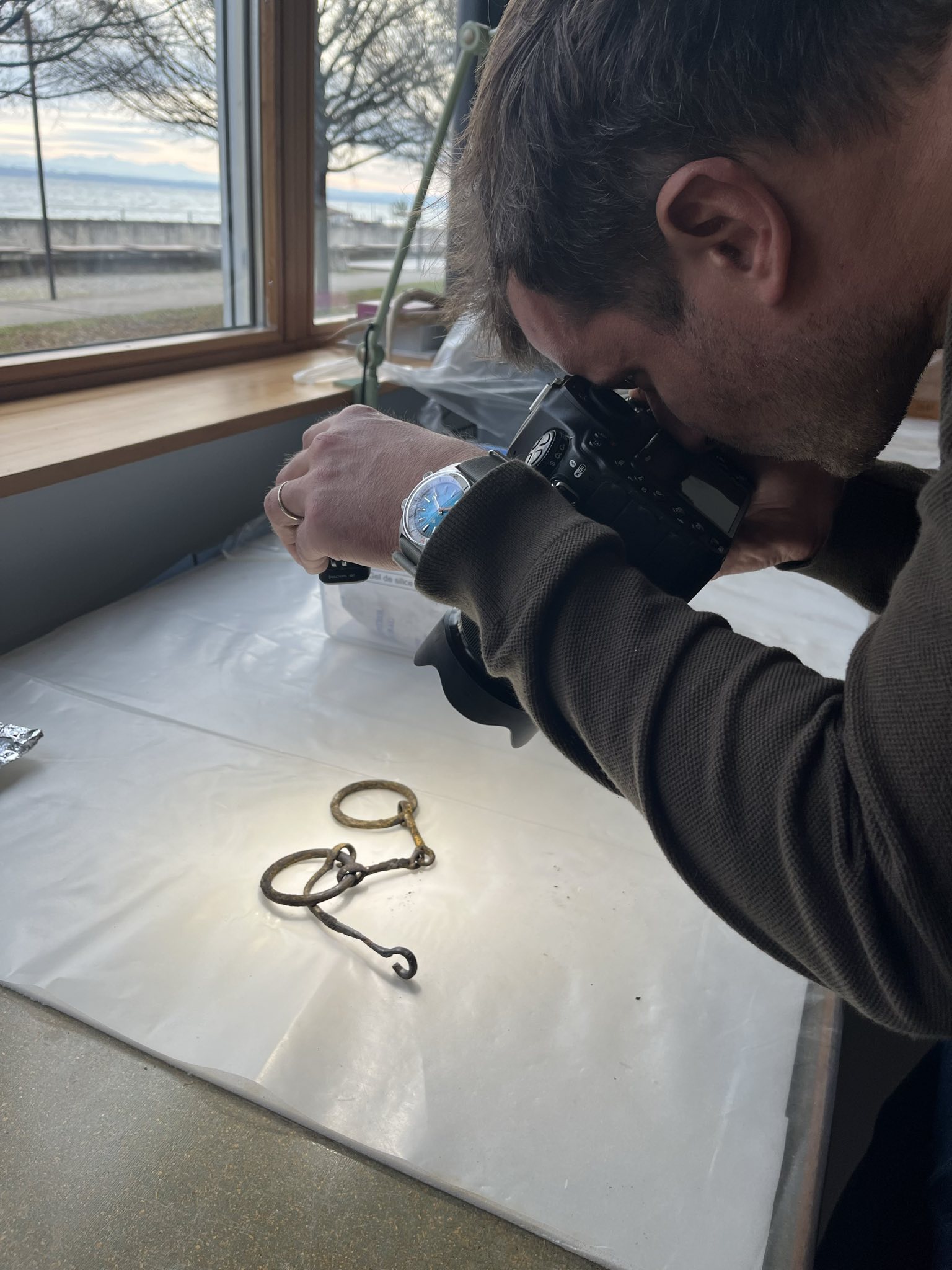
> Several metal objects related to horses and harnesses, such as bits, bars and pins.
> Four wooden and metal cartwheels were found in the immediate vicinity of the site. Carbon-14 dating of several samples confirmed that these four wheels date from the same period as the ceramic loading.
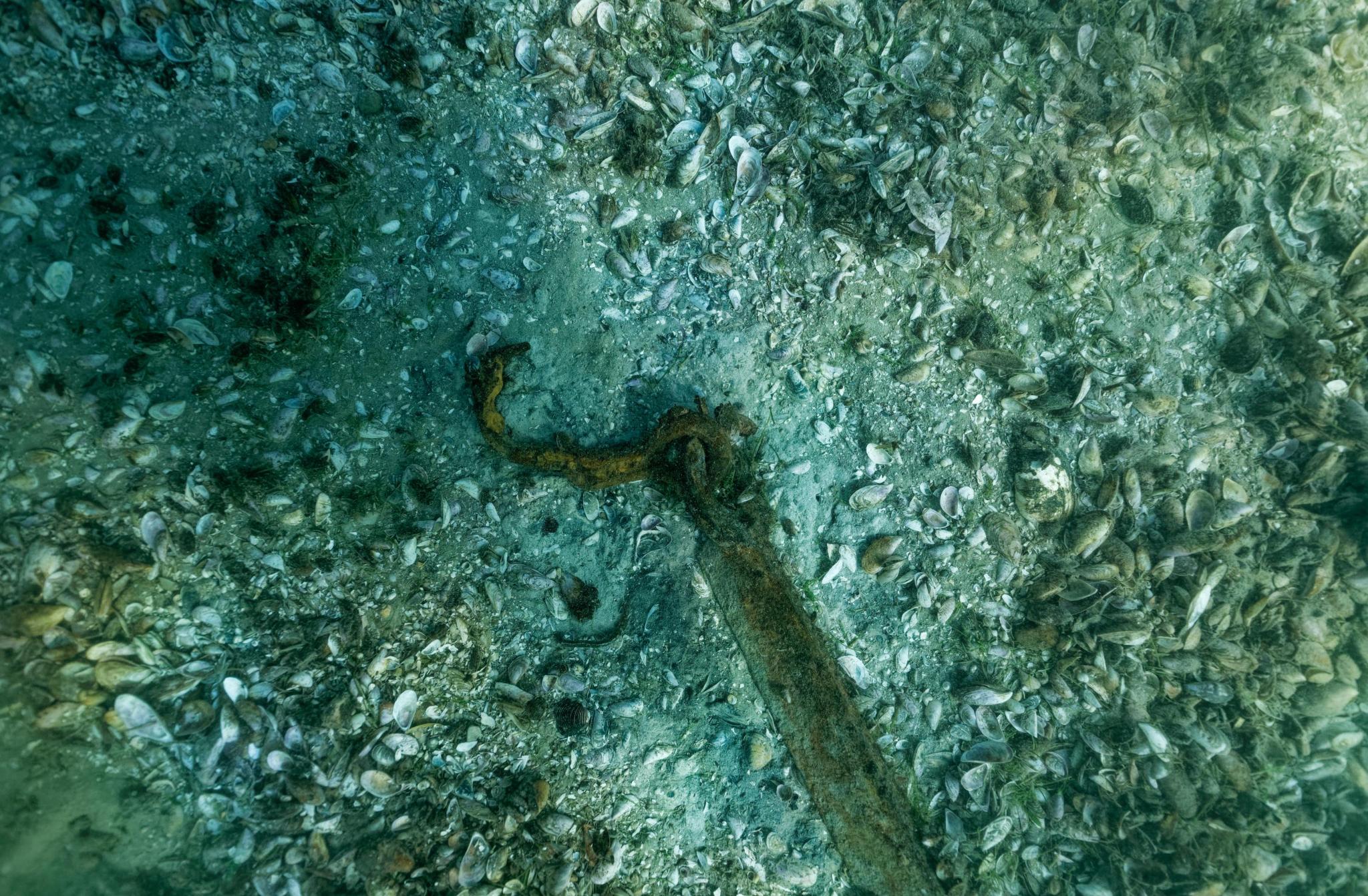
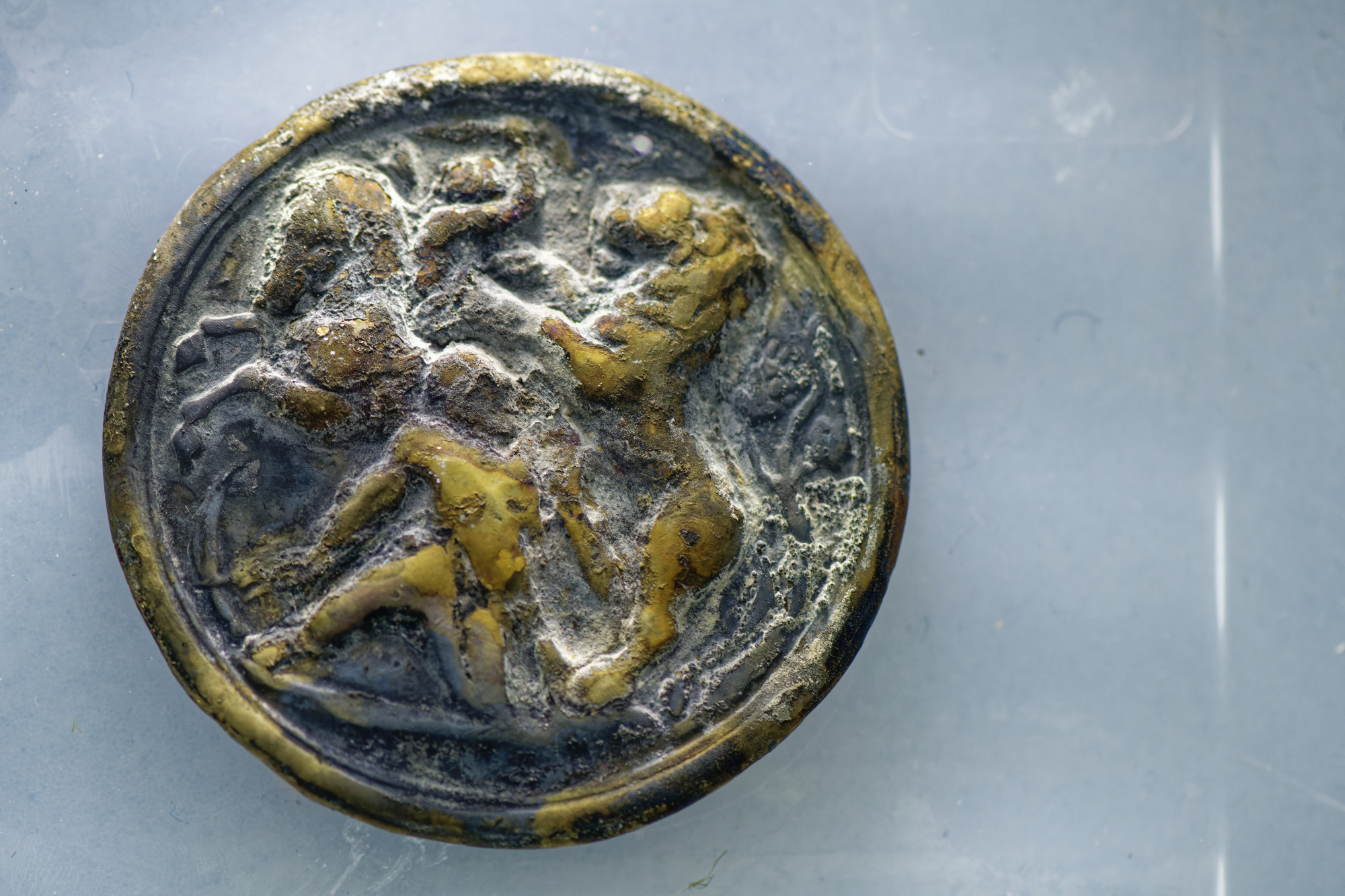
> Several metal objects related to the personal equipment of the legionnaires, including a belt buckle, a pioneer’s pickaxe (dolabre), and a fibula, used to hang the soldiers’ coats.
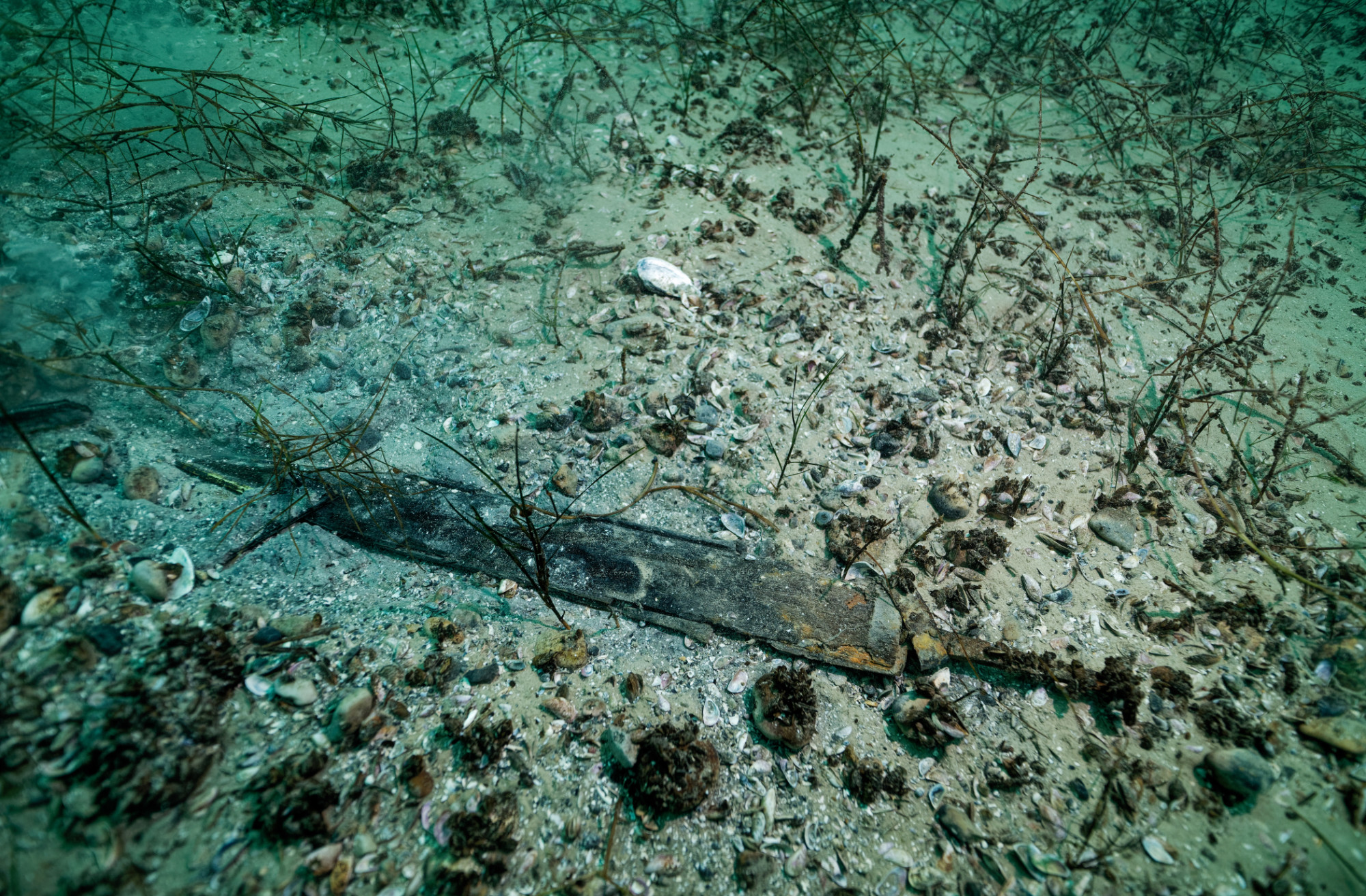
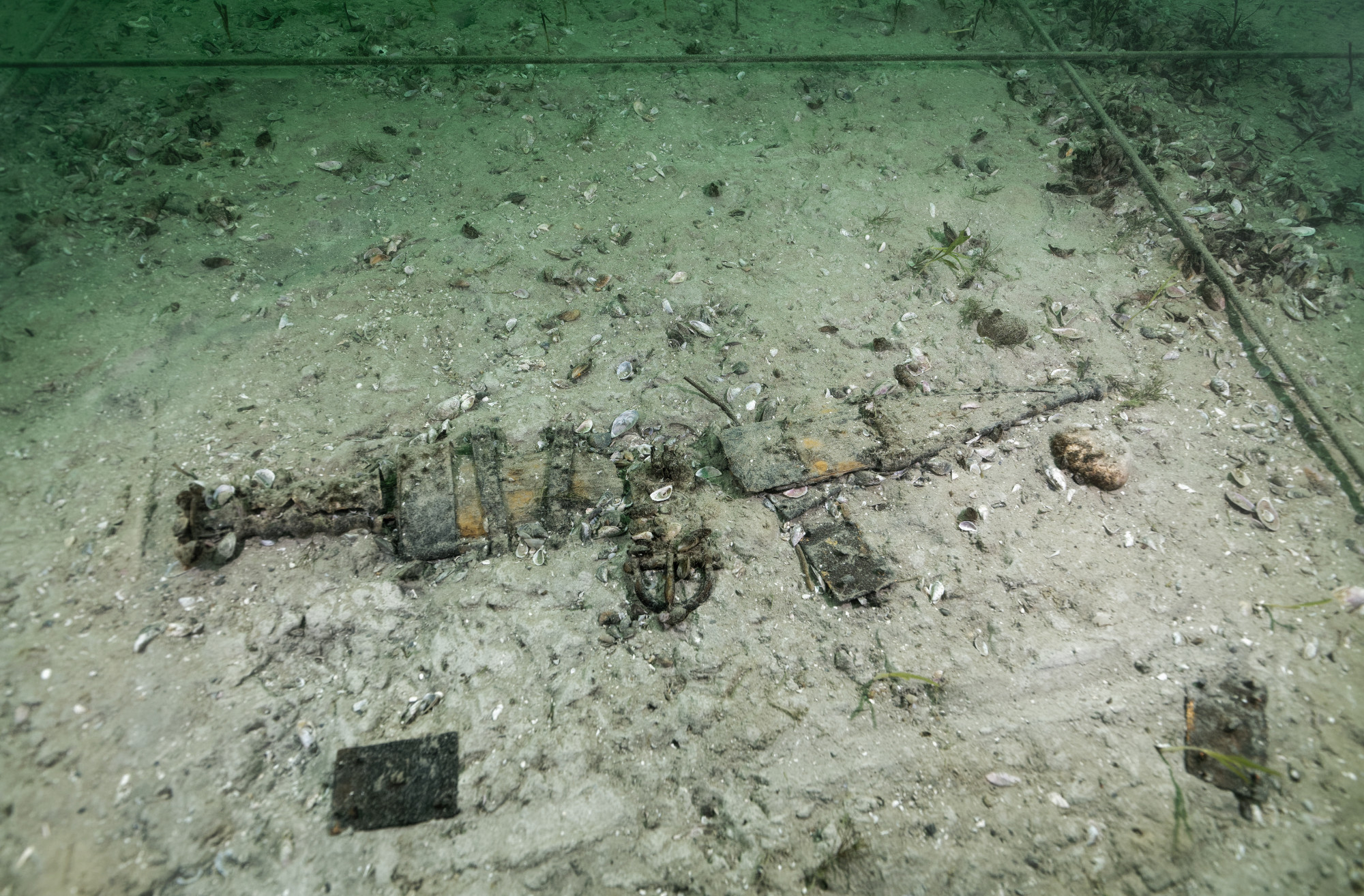
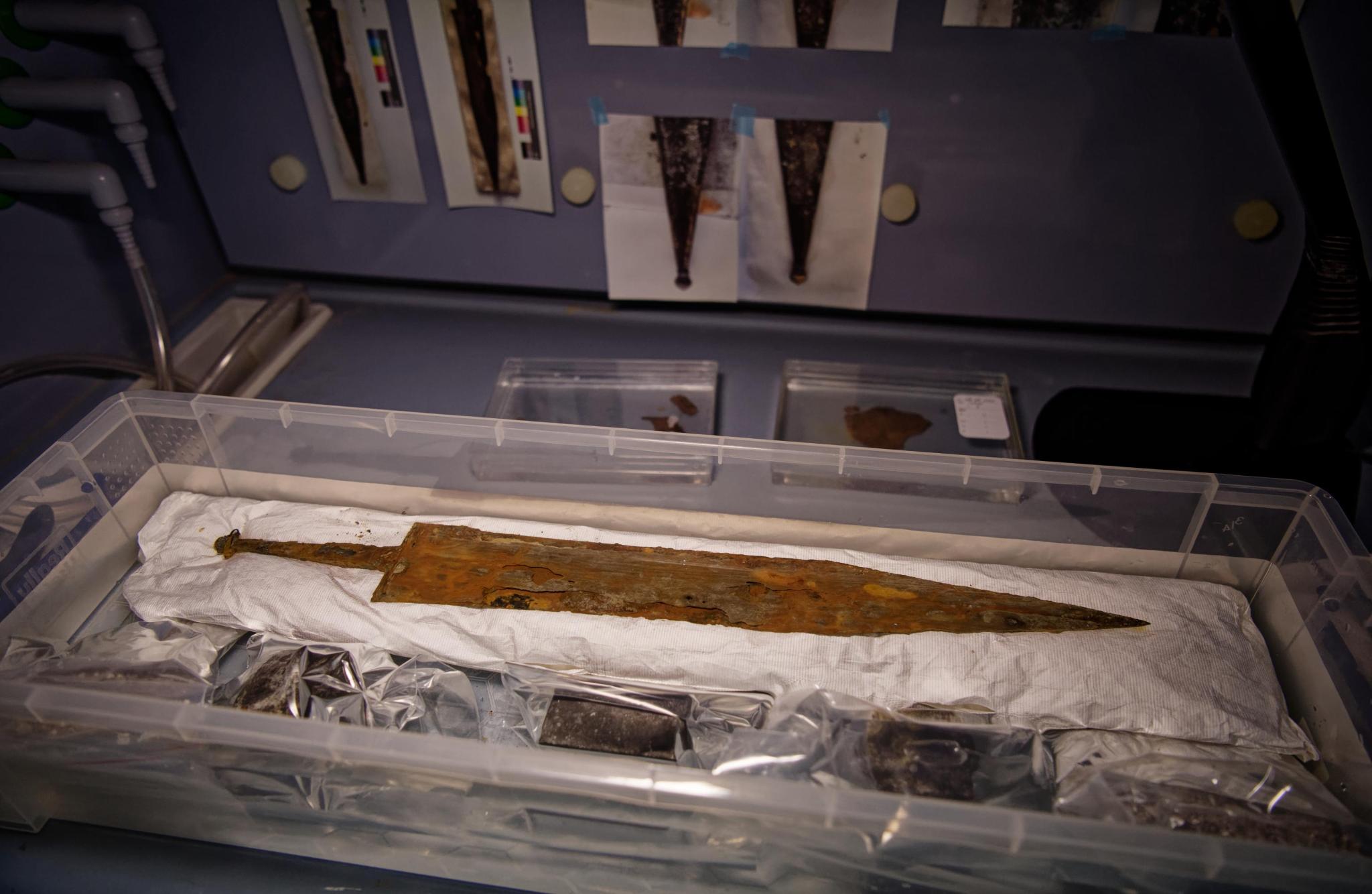
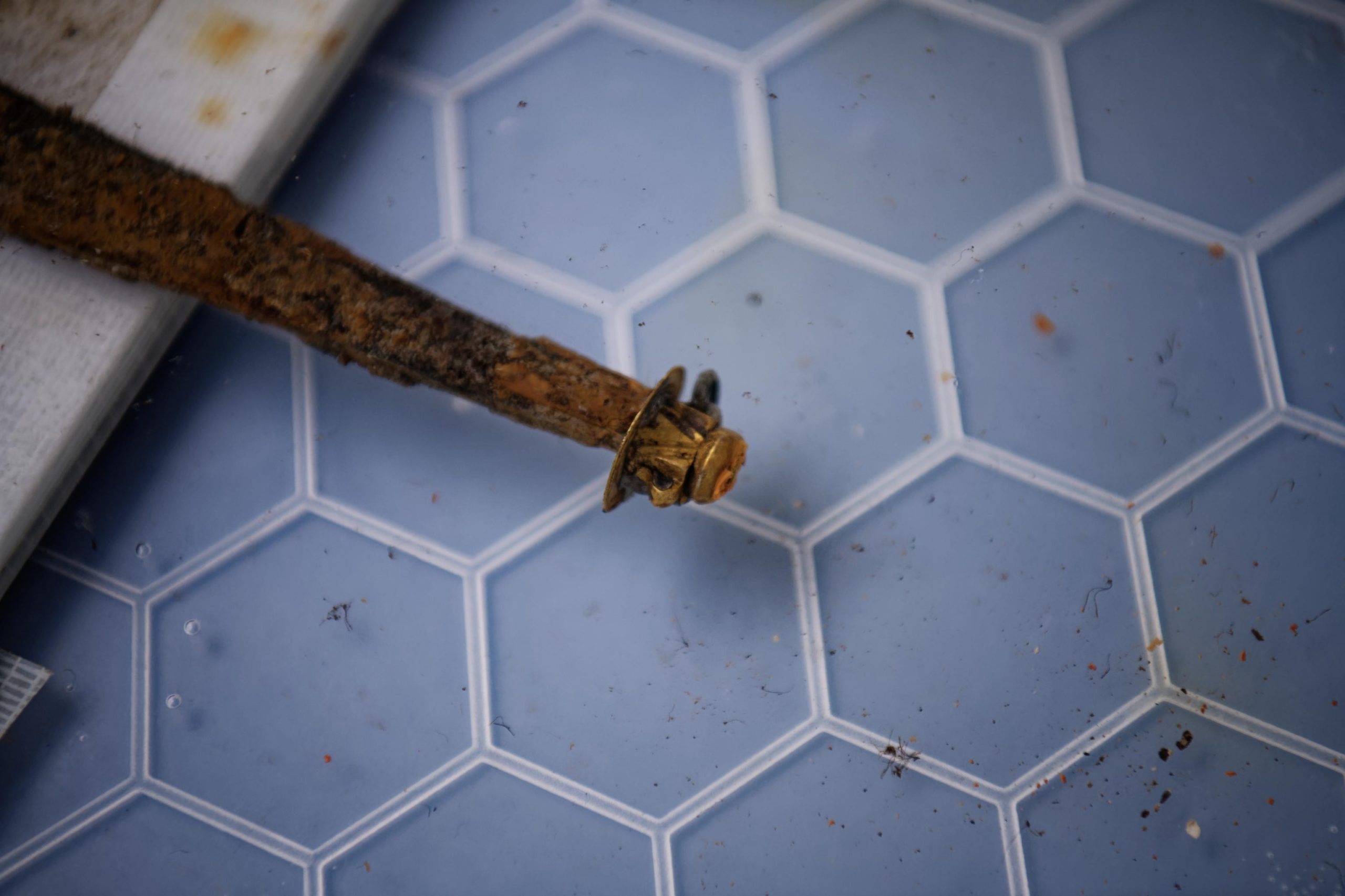
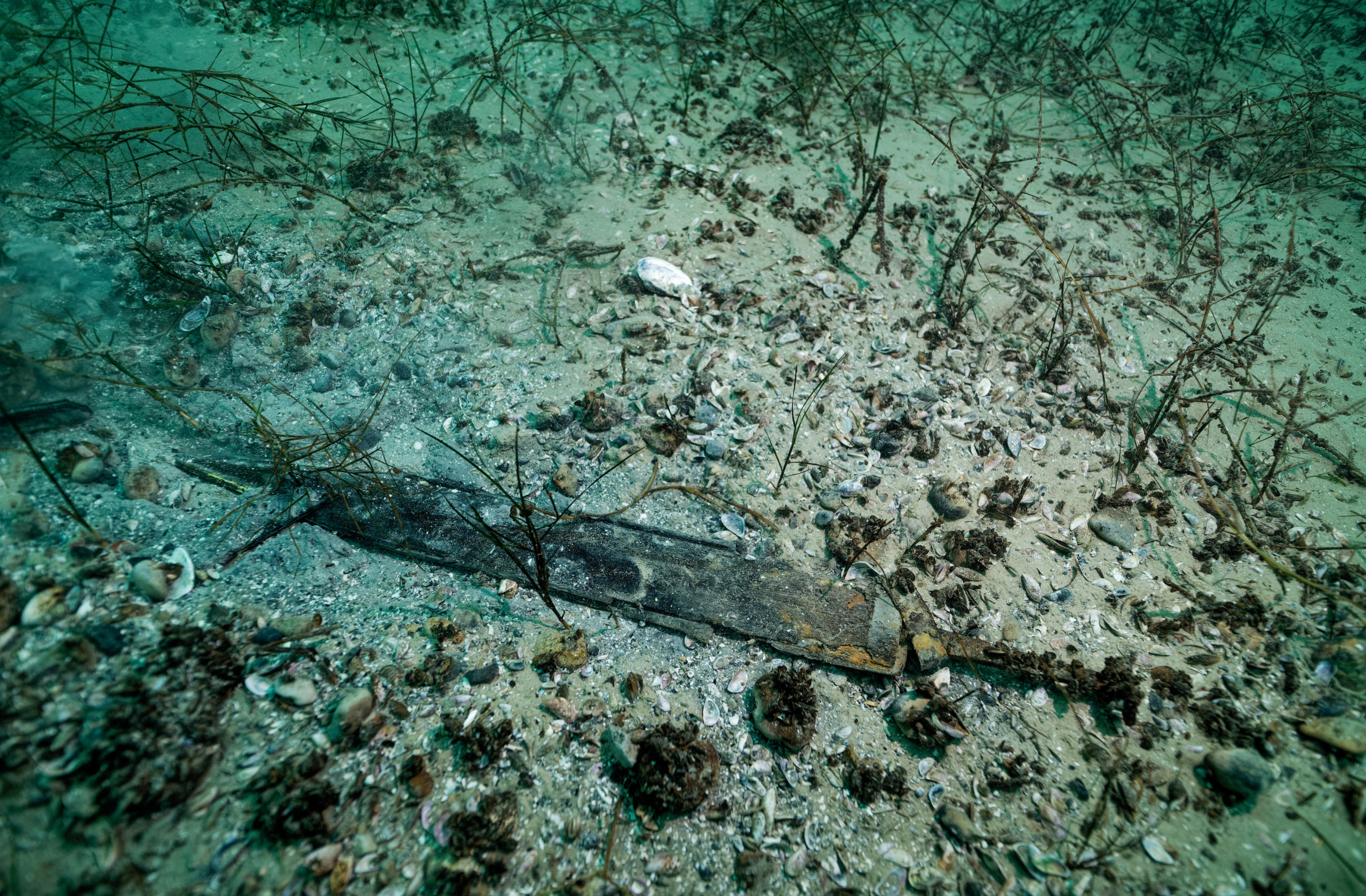 > Two complete swords, one still in its wooden and metal scabbard.
These objects, found together in the same location (on a boat before it sank to the bottom of the lake), suggest several possible explanations:
Objects directly related to legionary equipment (swords, dolaber, belt buckle, fibula) indicate that this shipment was escorted by several legionaries. Given the quantity of items, it is possible that this cargo was intended for a legion, which numbered approximately 6,000 men.
One working hypothesis is therefore that this could be new equipment intended for legions establishing themselves along the Rhine frontier to protect themselves from Germanic tribes.
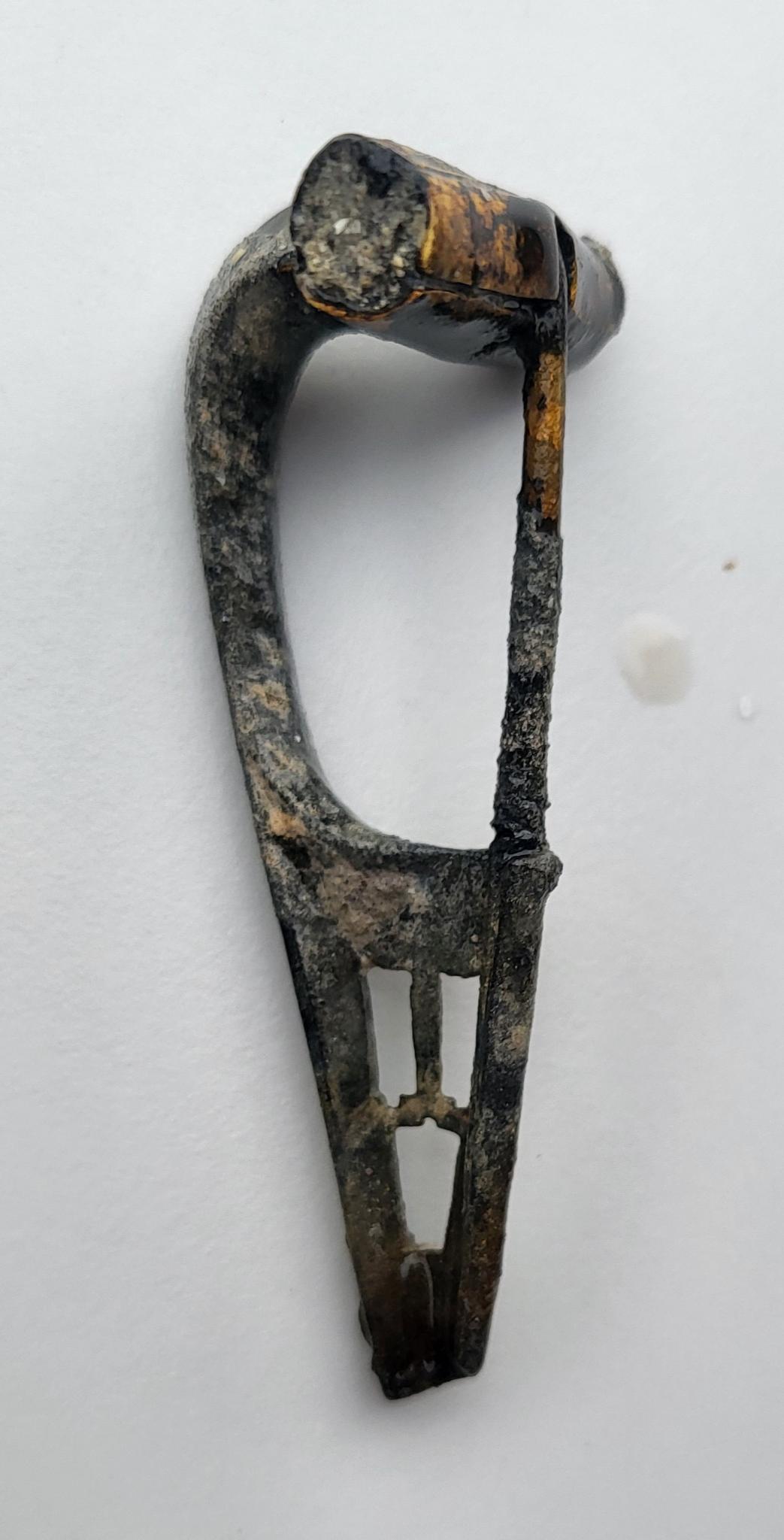 One object in particular allows us to refine the dating a little further: the fibula. This type of brooch for fastening a cloak only appeared during the reign of the second emperor Tiberius, who took power upon the death of Augustus in 14 AD.
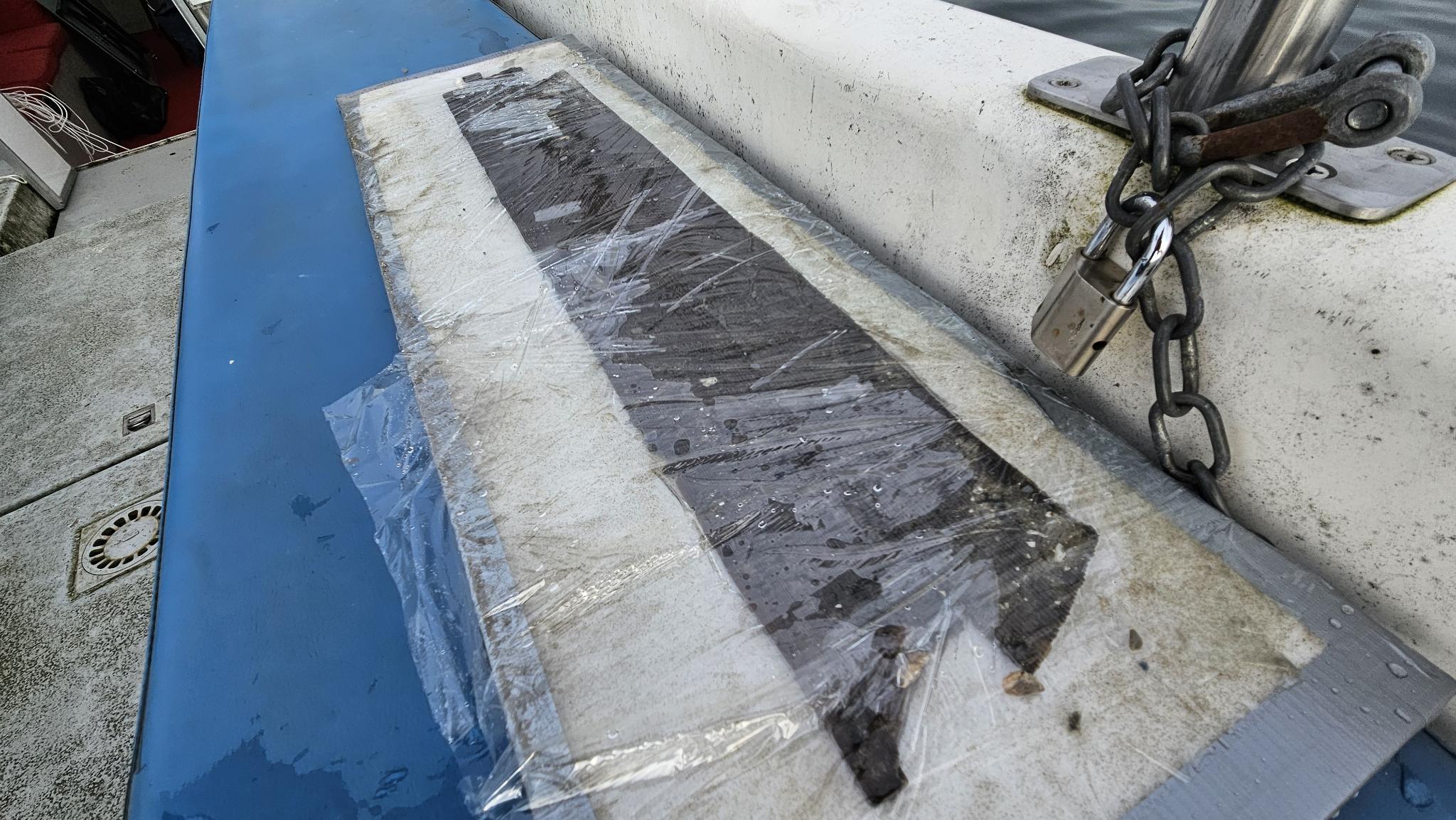
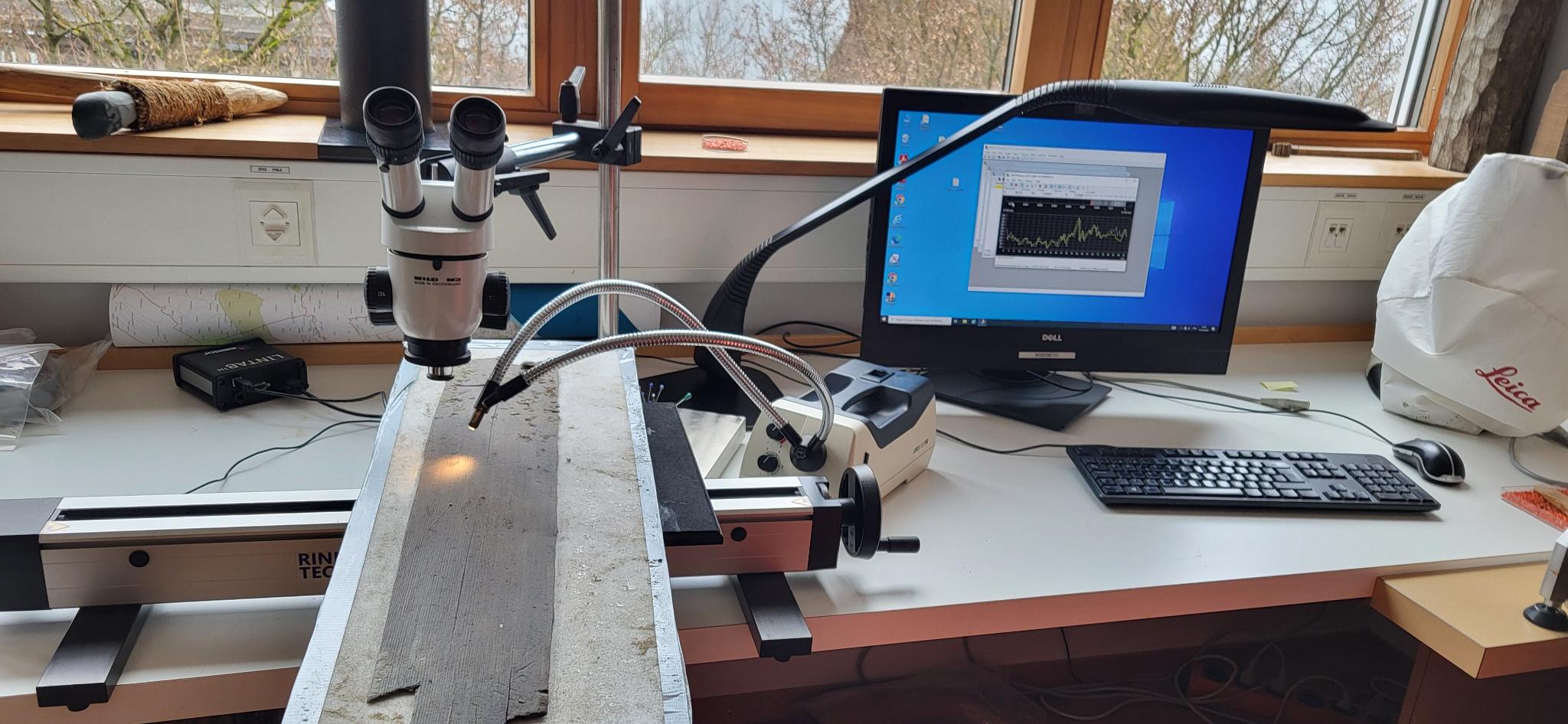
This period is also confirmed by dendrochronological dating of a board found under the plates which, thanks to the last ring, dates the cargo back to 17 AD. Archaeologists call this date the terminus post quem, that is to say the date before which it is not possible for the cargo to be dated.
Our working hypothesis (which must be confirmed or refuted by future scientific studies) is therefore that this cargo could date back to the years following the establishment of the XIIIth Legion (Gemina), which was stationed in 16 AD at the Vindonissa camp (modern-day Windisch in Aargau), located on the banks of the Aare River. One of the legion’s important missions was to prevent Germanic tribes from advancing south onto the Helvetian plateau to seize control of the Alpine passes. The XIIIth Legion remained at Vindonissa until 45 AD, at the end of the reign of Emperor Caligula (successor to Tiberius).
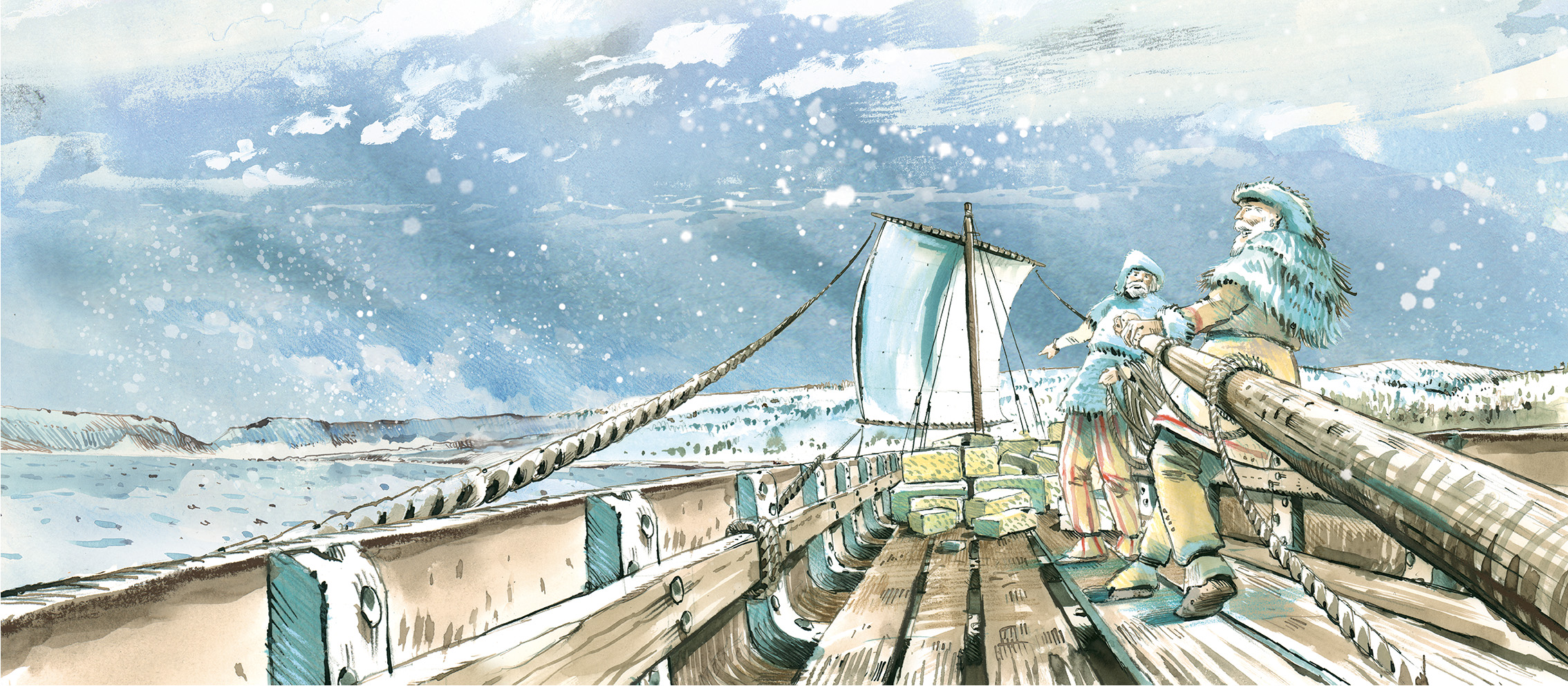
To ensure its legions could establish a lasting presence along the Rhine and Danube rivers, Rome would have secured the transport of very large quantities of supplies from Italy, Gaul, and even locally from Helvetia. One possibility is that this equipment was transported by cart to the port of Yverdon (Eburodunum in Roman times), at the southernmost tip of Lake Neuchâtel. From there, it would have been loaded onto a boat heading north. From Yverdon, boats could reach the military camp at Vindonissa, located on the banks of the Aare River, using only the lakes and channels. It was while approaching the entrance to the Thielle Canal, which connects Lake Neuchâtel to Lake Biel, that the cargo would have sunk, perhaps due to a sudden gust of wind. It is interesting to note that to date, no trace of a shipwreck has been found near the cargo. It is therefore possible that the transport vessel escaped or that it sank elsewhere.
Location
Team members

Julien PFYFFER
Founder and chairman

Fabien Langenegger
Archaeologist

Cédric GEORGES
Diving instructor

Sebastien ROUSSEAU
Navigation manager

Philippe HENRY
Director of Photography

Thomas Delorme
Documentary director

Andy GUINAND
Head of robotics
Antoine BUGEON
Cartoonist and sailor
Partners
CREASSM
Swiss-Franch Center for Underwater and Underwater Archeology Studies

OARC
Archaeology service of the Neuchâtel canton
Latenium
Neuchâtel Archaeology Park and Museum

CARIGEST

Philantropia Foundation
Gallery